A block-paved surface is far more durable and attractive than a dull grey concrete slab — provided it is laid with skill and care. Rushed work is rarely good work, and in paving that is doubly true. A pavement laid in a hurry, without a proper base, brings nothing but frustration. Let us run through the most common mistakes so you can avoid them.
1. Neglecting the sub-base
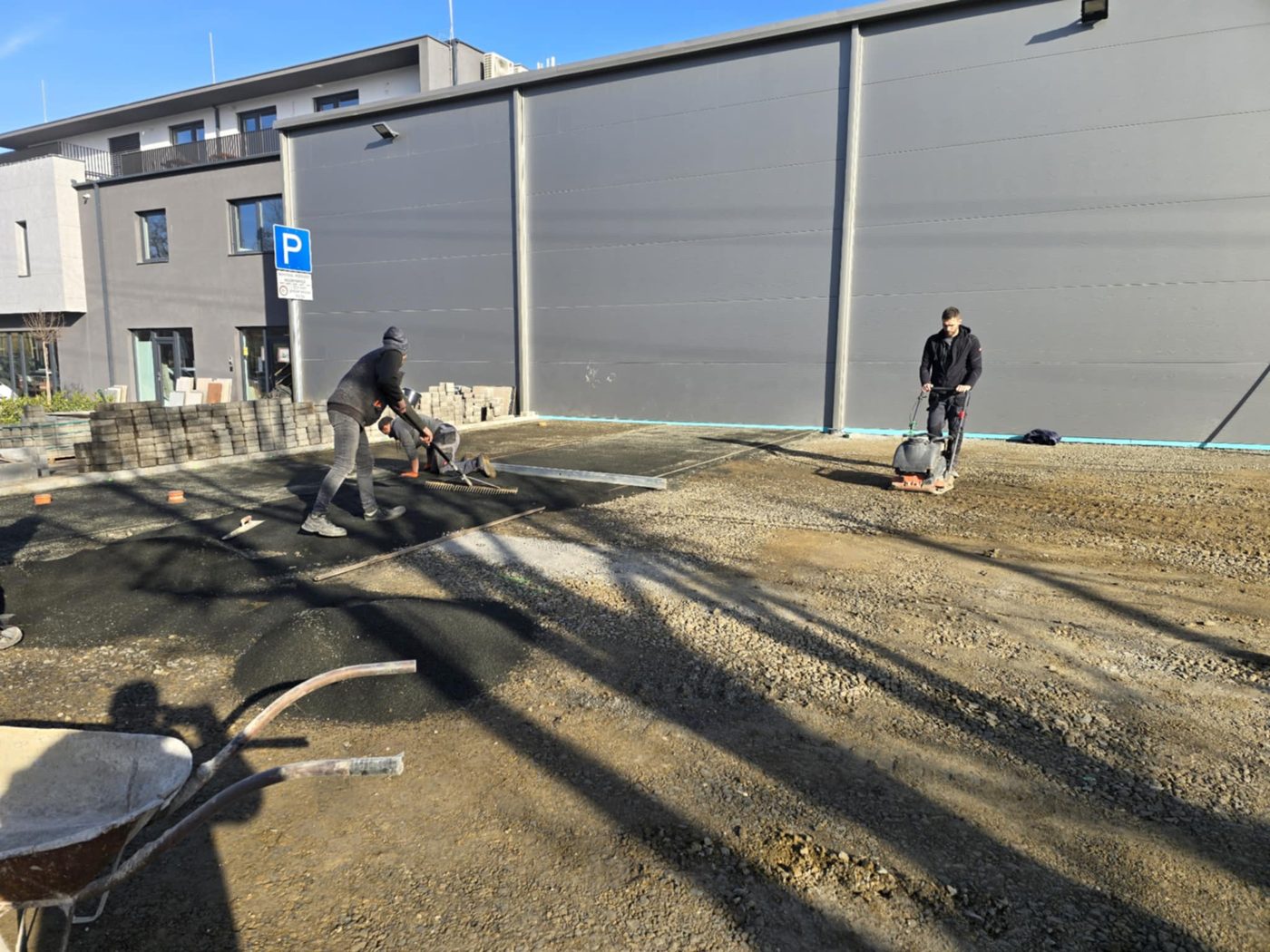
The most common and most serious mistake of all. A load-spreading layer that is too thin, poorly compacted or missing altogether guarantees settlement. The sub-base determines 90 per cent of the pavement's service life — saving money here is the most expensive decision you can make.
2. Wrong or missing falls
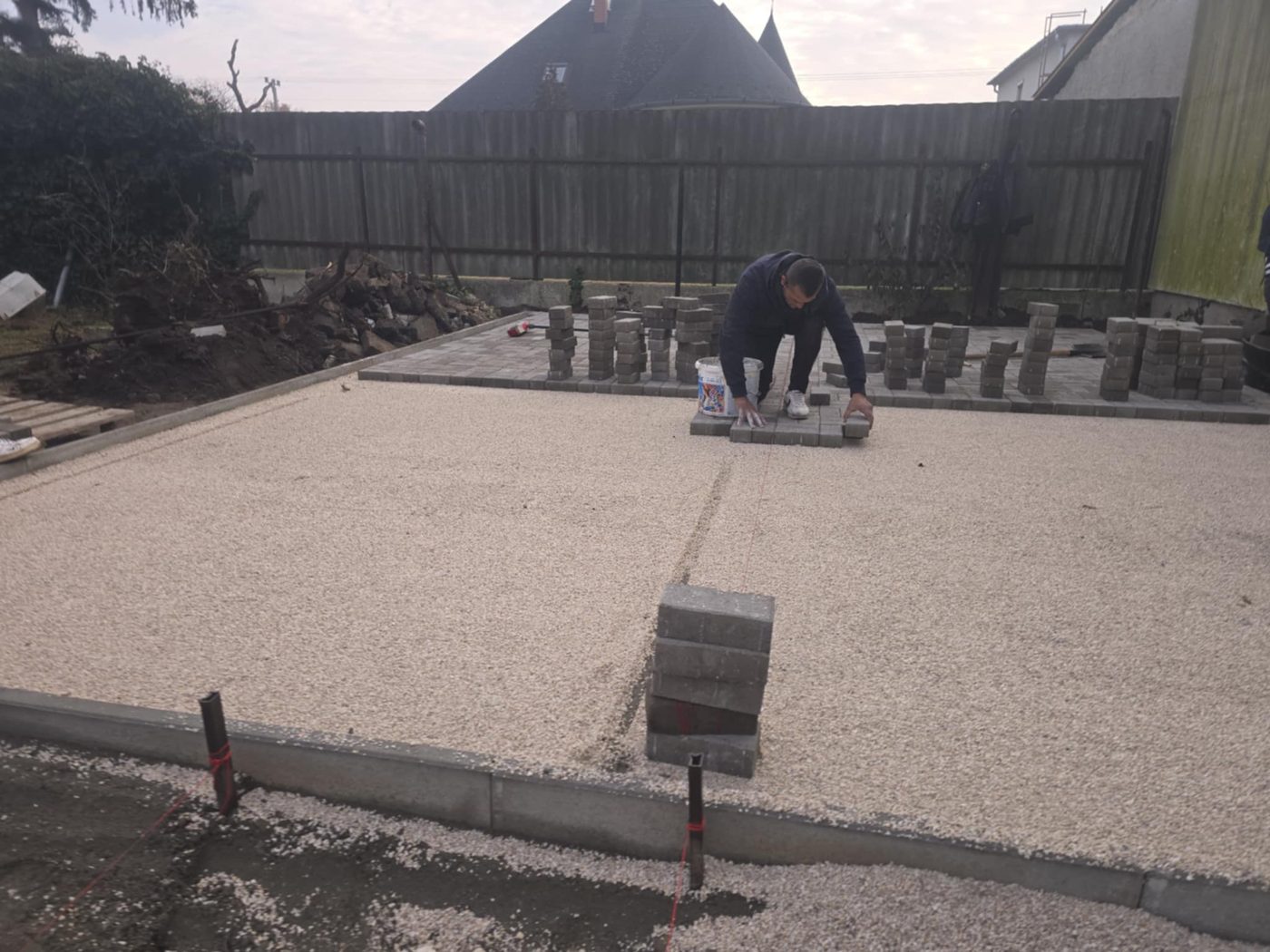
If water cannot run off, it stands in the joints and on the surface. Permanent puddles form, algae and green film make the paving slippery — and with the torrential autumn rains we know well in the province of Málaga, ponded water can end up undermining the structure. In the inland comarcas, the occasional frost will freeze that standing water and stress the pavement as well. The surface must always fall away from the building, at 1.5–2 cm per metre.
3. Missing edge restraint
Without a kerb, the edge of the paving spreads within a few years and the blocks "flow" outwards. Edge restraints must be laid on a concrete bed and fixed with a concrete haunch — a step many contractors rush or skip entirely.
4. Joints that are too tight or uneven
Blocks must never be butted hard against each other: the 3–5 mm joint is essential for thermal expansion — no small matter under our summer sun — and for load distribution. Tight butting leads to chipped edges and stressed blocks.
5. Walking on the screeded bedding
The screeded, levelled bedding layer must not be walked on: every footprint leaves a mark and the surface loses its evenness. Blocks are always laid working forward from the paving already placed.
6. Skipping compaction and jointing
The laid pavement must be bedded down with a rubber-soled vibrating plate, and the joints then filled. From an unjointed pavement the rain washes out the bedding, and the blocks start to move.
7. Impatience
The common root of most mistakes is haste. Paving is a many-step job that demands patience, where each layer is the foundation of the next. Take the time it needs and you get a durable, handsome result.
The good news is that almost all of these mistakes can be prevented with care and by respecting the sequence of work. Take the base, the falls and the edge restraint seriously, and your block paving will keep its looks for decades.
Would you rather leave the laying to professionals? We work across the whole province of Málaga, from Estepona to Nerja. Call us on +34 613 656 443, write to oficina@adoquin.eu, or ask for a free, no-obligation quote.
Planning a paving project?
Request a free site survey: we measure, advise, and within 1–2 working days you receive a detailed written quote.