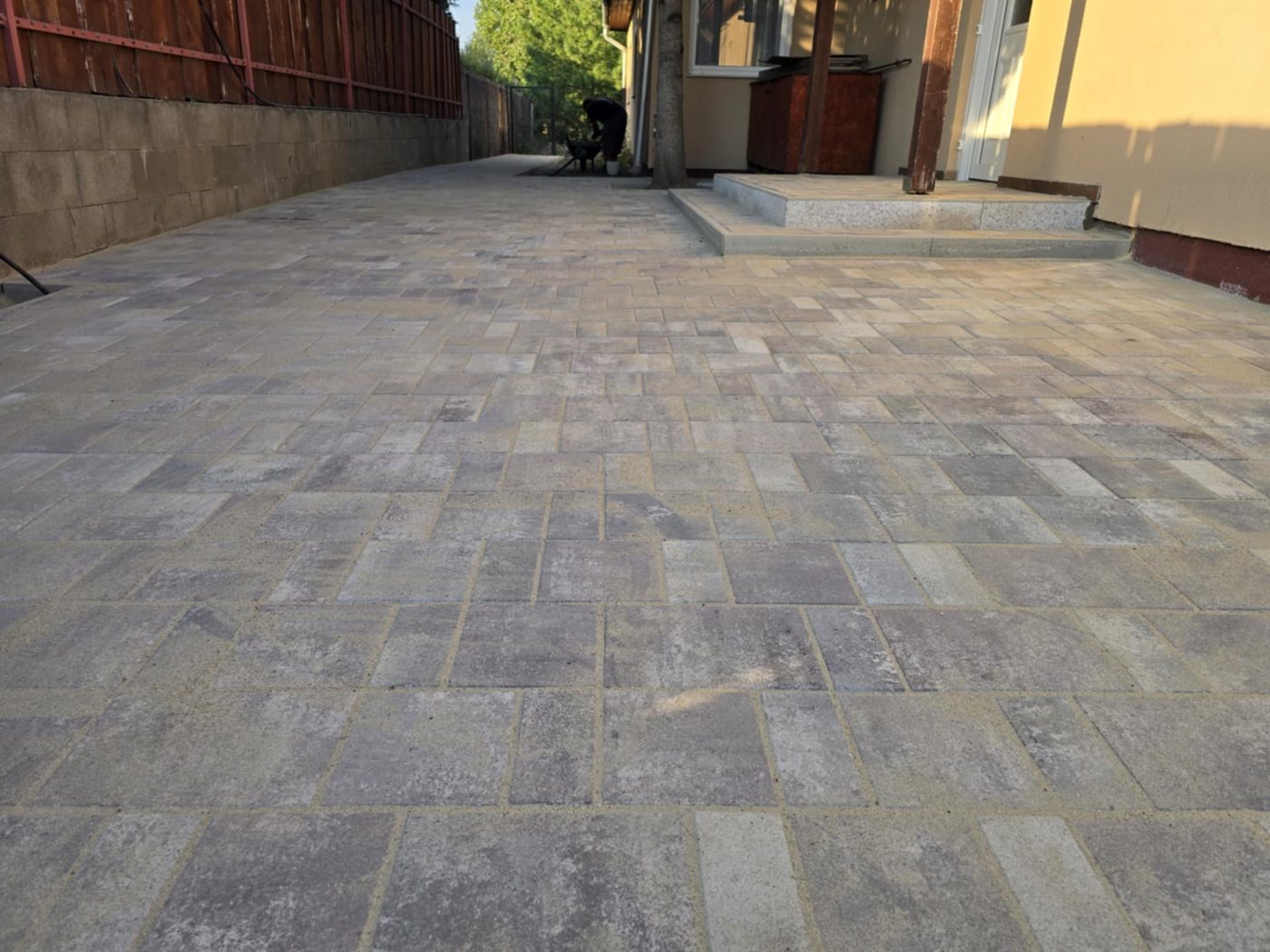
Paving Your Yard – Planning, Ideas and Prices
How to plan the block paving of a family home's yard: use zones, drainage, material choice and prices, step by step.
Read more →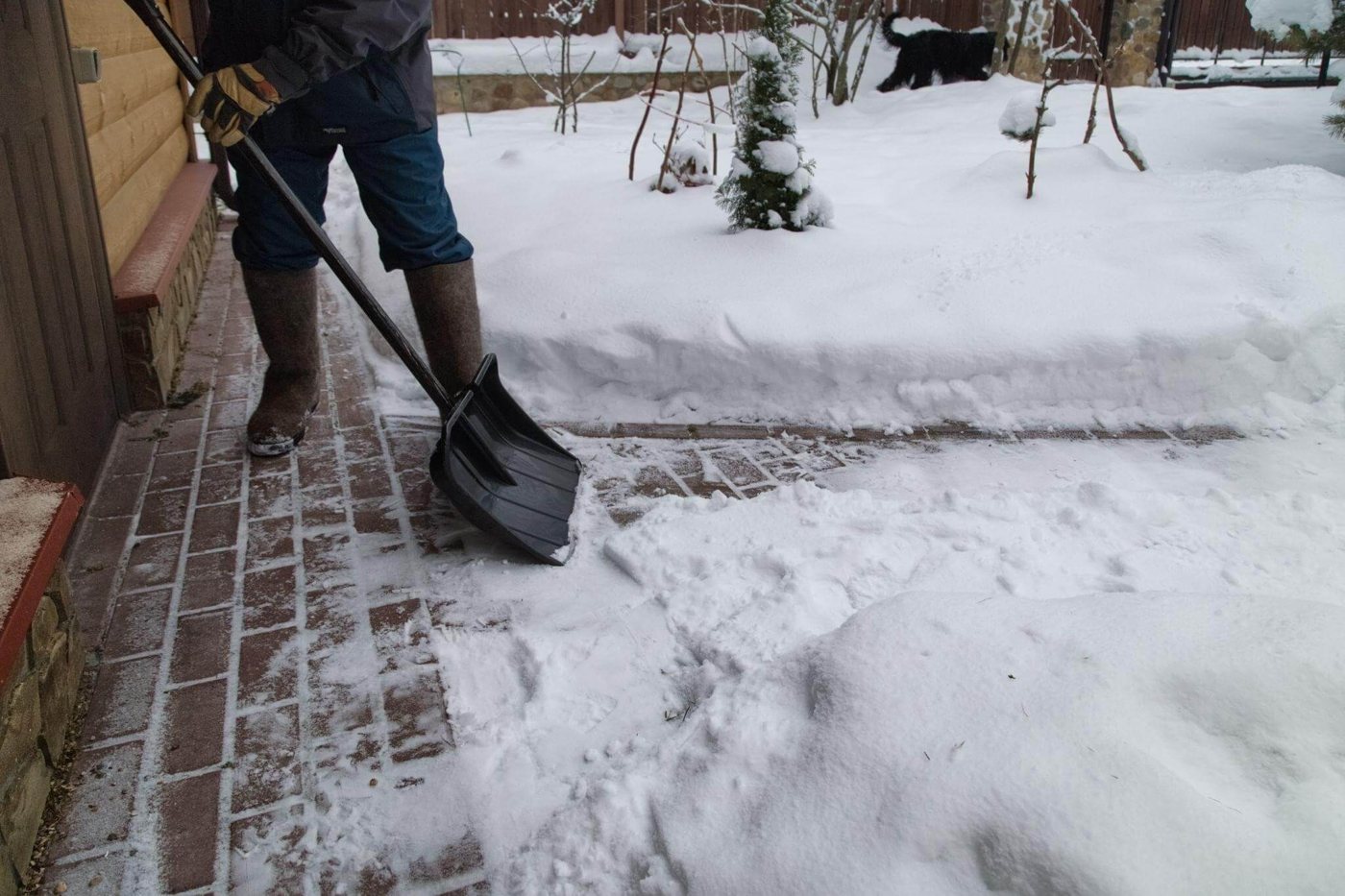
Winter Maintenance for Block Paving – Rain, Algae and the Odd Frost
Winter in Málaga brings no snow — but heavy rain, slippery algae and the occasional inland frost. Here's how to look after your paving.
Read more →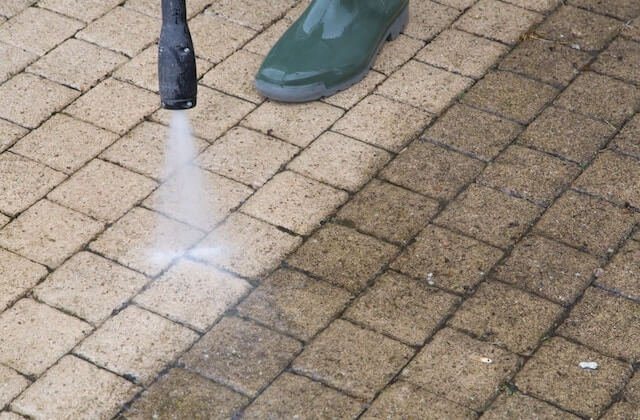
Removing Weeds from Block Paving – Lasting Solutions
Weeds in paving joints keep coming back. Here's how to remove them — and, above all, how to stop them returning.
Read more →
Weed Control on Block Paving – With or Without Herbicide?
Weeds in your paving joints? We review chemical and chemical-free methods, and the lasting fix: proper jointing.
Read more →
What Are Thin 2–2.5 cm Pavers Good For?
Thin pavers and slabs are cheaper and elegant, but they do not belong everywhere. We look at where they work and where they fail.
Read more →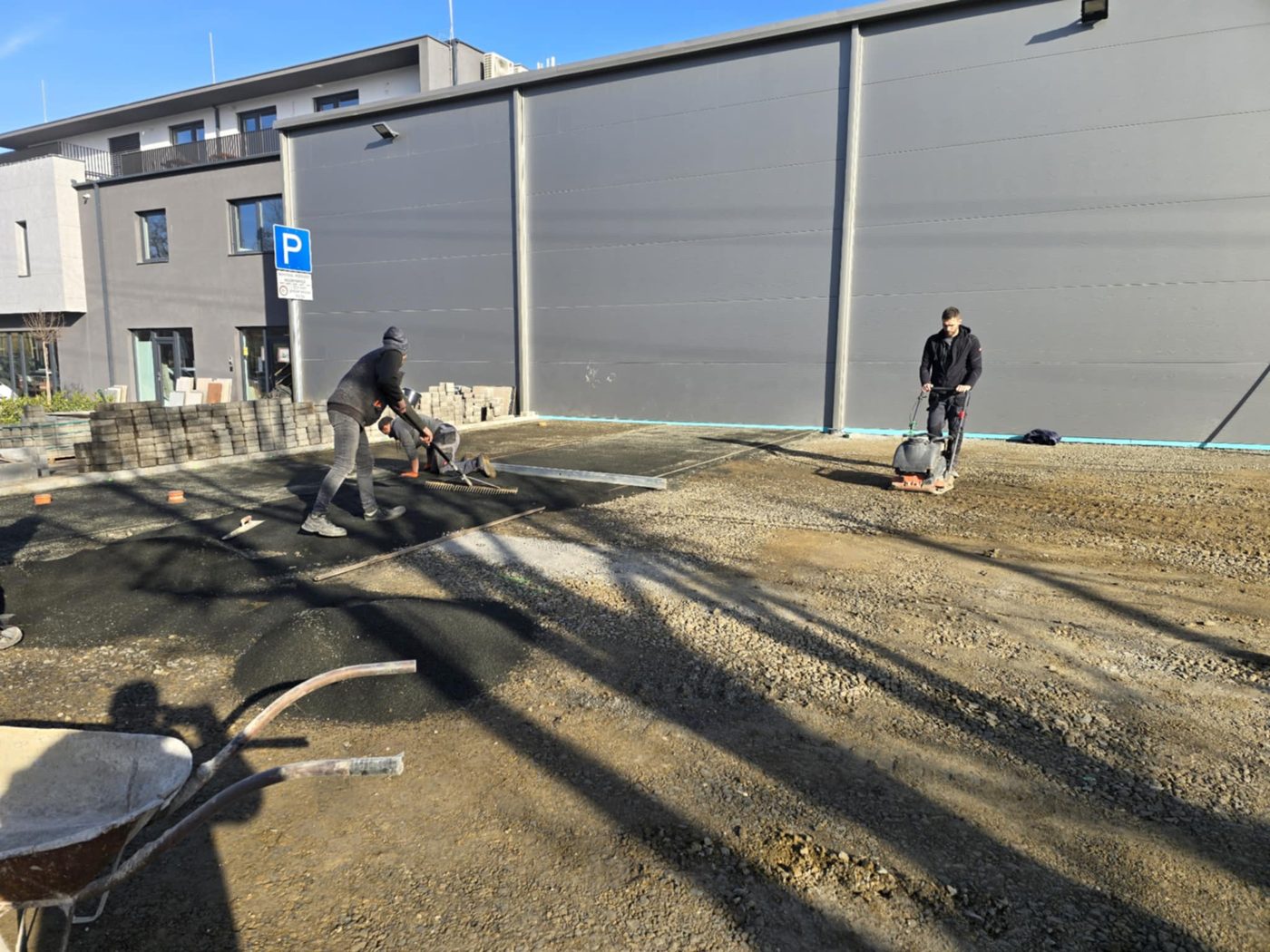
How much sub-base do paving blocks need?
How thick should the sub-base under block paving be? Layers, thicknesses by surface type, and why skimping on the base is the costliest mistake.
Read more →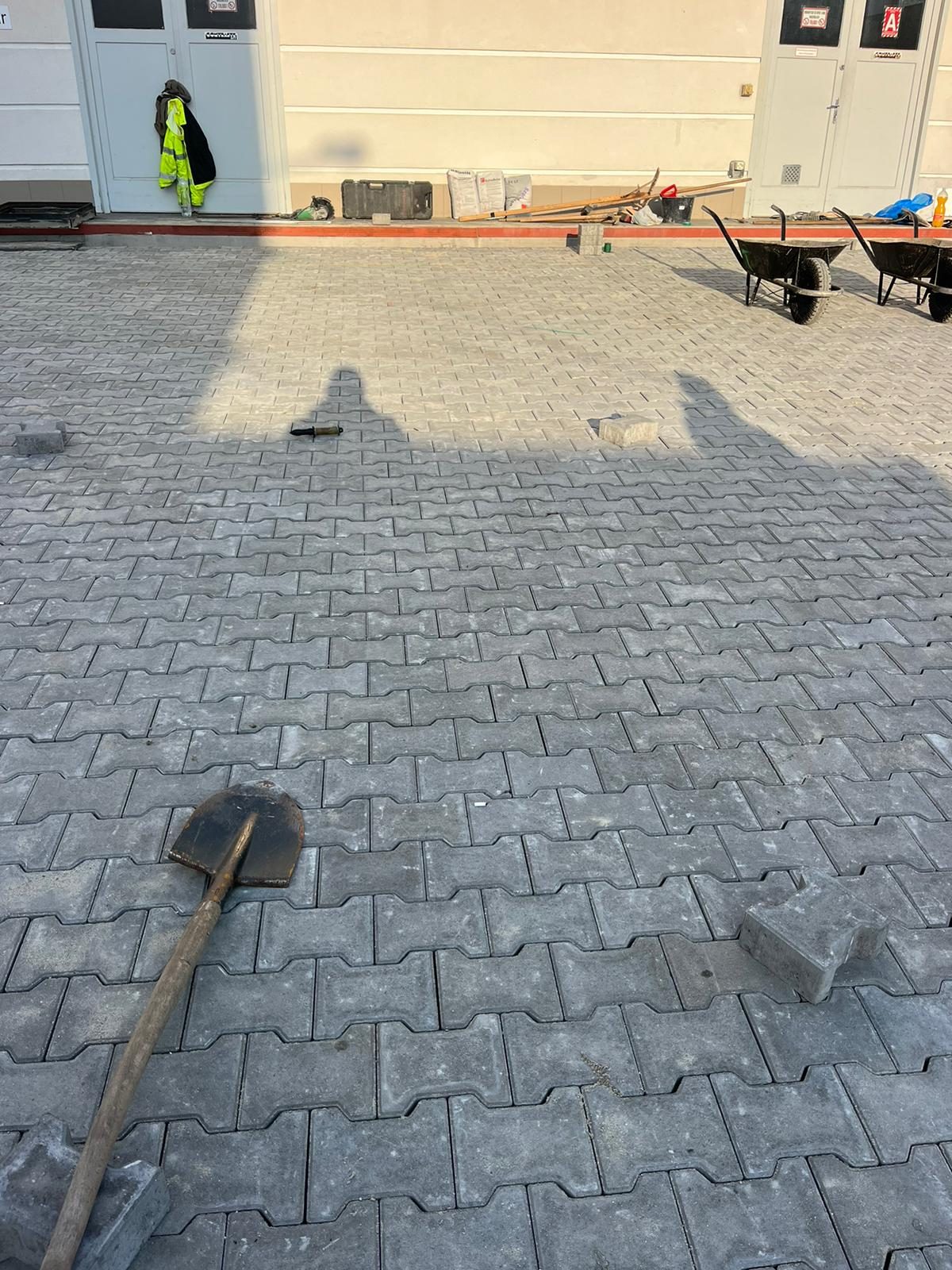
Spring maintenance for block paving
Winter and the rainy season leave their mark on paving. A few simple spring jobs put your block paving back in top condition.
Read more →
Professional block paving installation in seven steps
The seven steps of durable block paving: setting out, excavation, sub-base, kerbs, bedding layer, laying and jointing — explained in order.
Read more →
Building a planter retaining wall in a sloping garden
A planter retaining wall terraces a sloping garden: it holds the ground, stops erosion and greens over. How it works, foundations and drainage.
Read more →
When Is It Time to Renovate Your Block Paving?
Sunken areas, washed-out joints, loose blocks: the tell-tale signs your paving needs renovation, and when a spot repair is enough.
Read more →
The paving process, step by step
How does a professional paving job unfold, from survey to jointing? We walk you through the whole process so you know what to expect.
Read more →
Paving prices 2026 – m² rates with labour included
Block paving prices for 2026 per m², labour and materials included: excavation, sub-base, cement-treated base, laying, kerbs and drainage channels.
Read more →
Paving price per m² – the complete guide
How much does block paving cost per m²? The factors behind the square-metre price: layer build-up, area size, paver type and the extras.
Read more →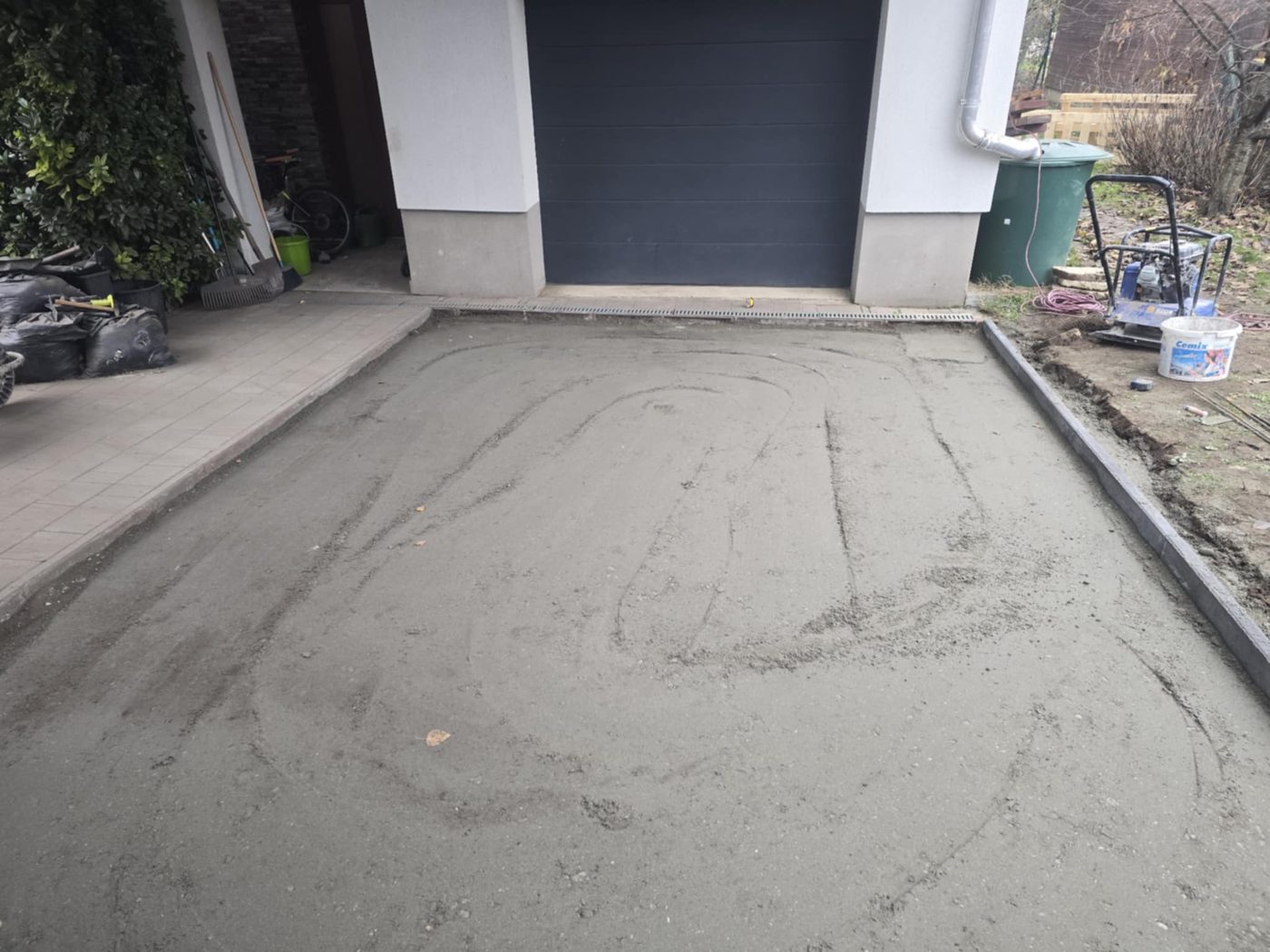
Laying pavers on a concrete base – break it out or build on top?
When pavers replace an old concrete slab, the question arises: can you lay on top of the existing concrete, or must it be broken out? We help you decide.
Read more →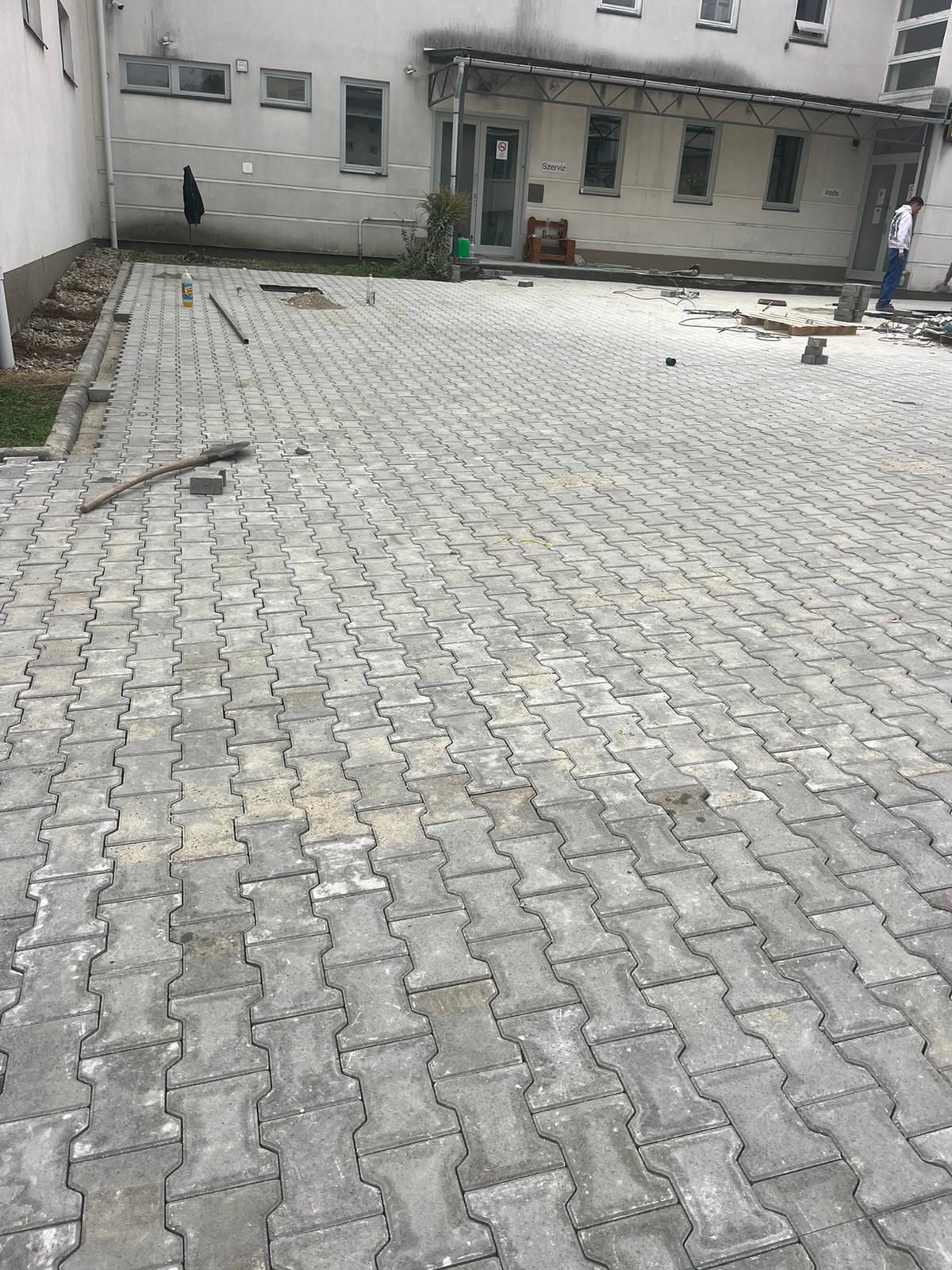
Block paving across the province of Málaga – where do we work?
We work in all 103 municipalities of the province of Málaga: Costa del Sol, Guadalhorce Valley, Axarquía and the interior. Residential and industrial projects.
Read more →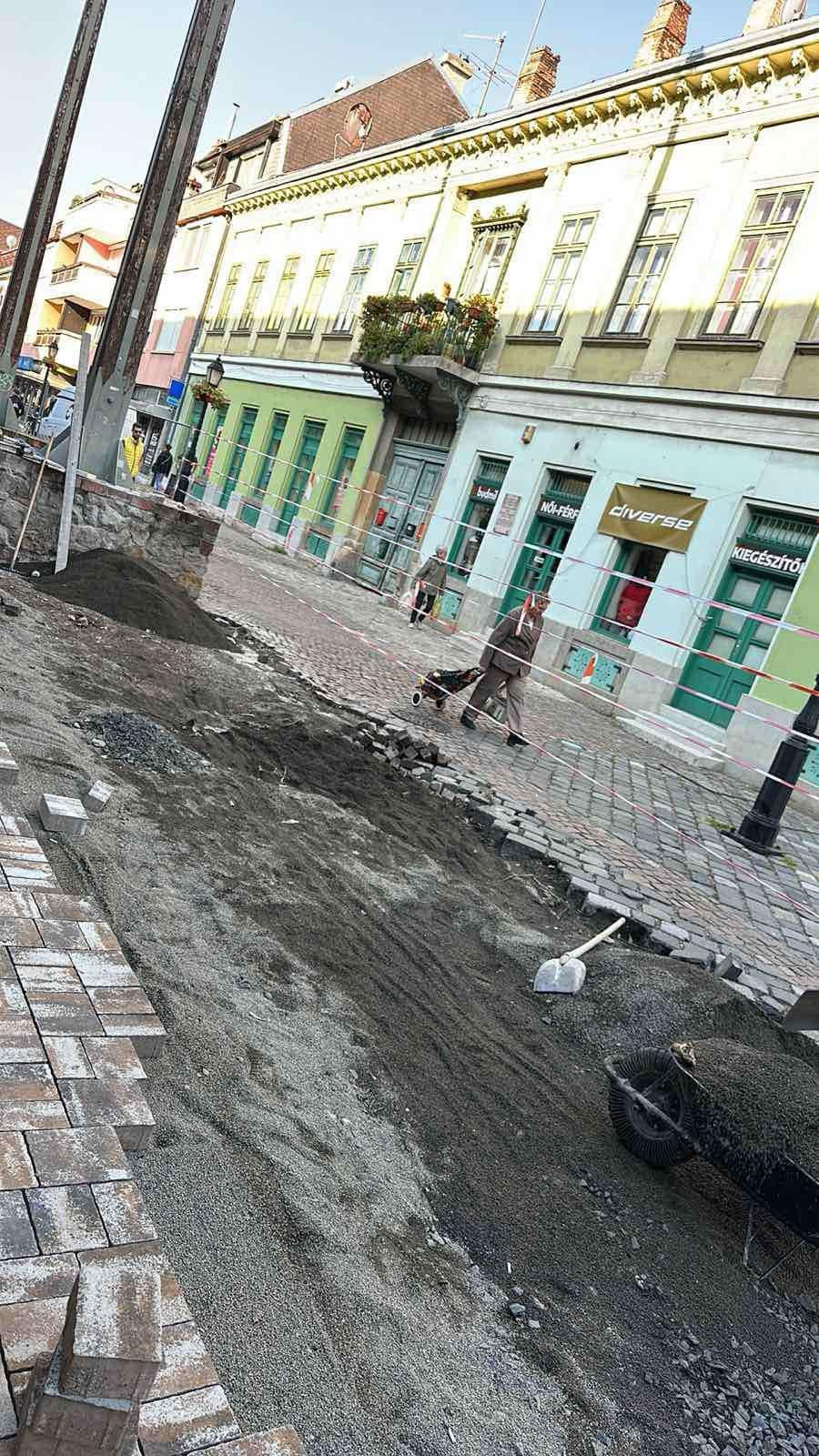
Block paving in Málaga city – installation with prices
Block paving across Málaga city and its districts: driveways, yards, footpaths and industrial yards, delivered turnkey with clear pricing.
Read more →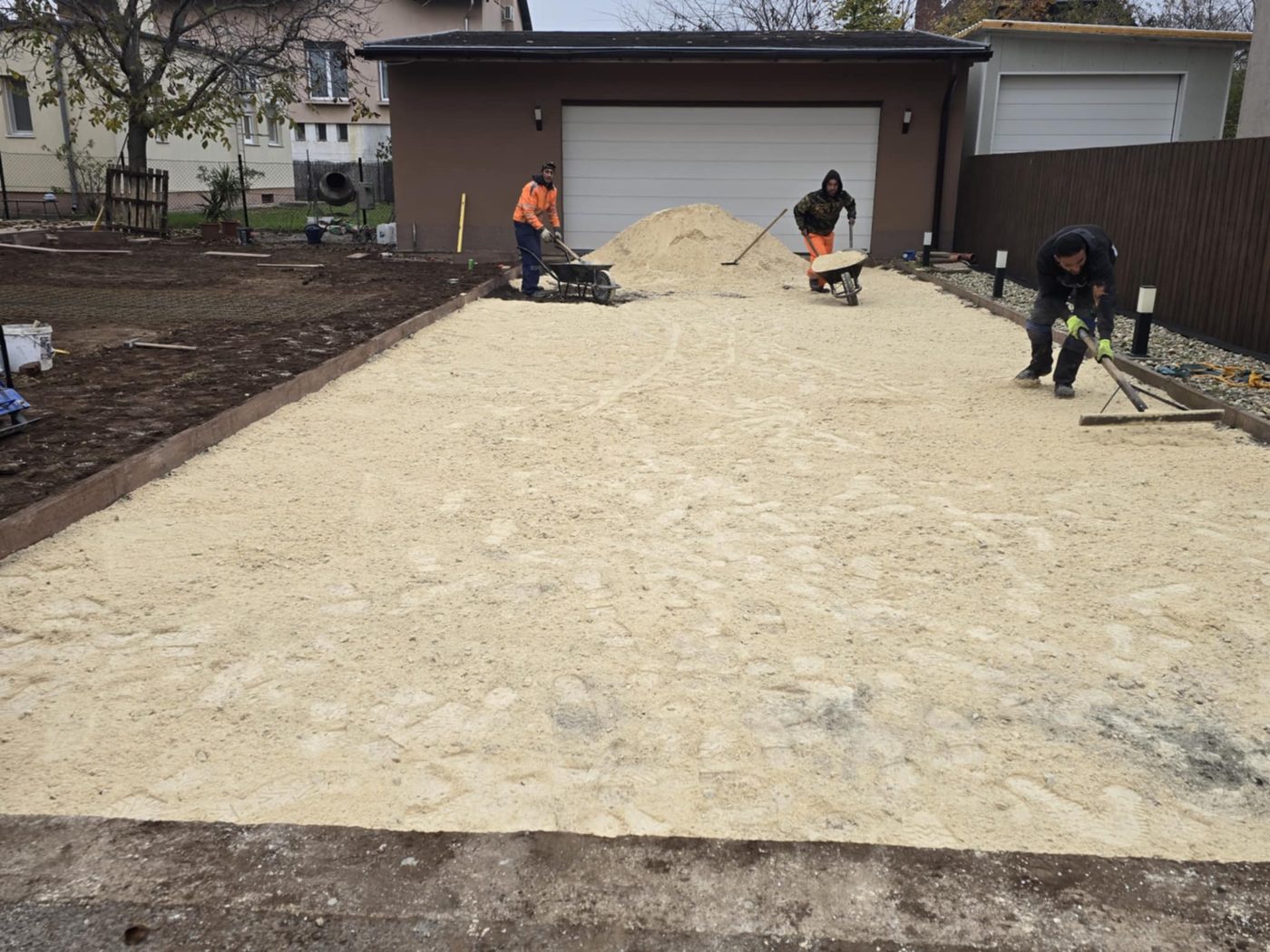
Paving cost calculator – work out your price instantly
Estimate your paving price instantly: enter the m², pick the work items and get the net total and the price with VAT (21%) – by e-mail too.
Read more →
How much does a 20x10x6 cm paver weigh?
The 20x10x6 rectangular paver is one of the most popular formats. We work out its weight and explain why it is useful to know.
Read more →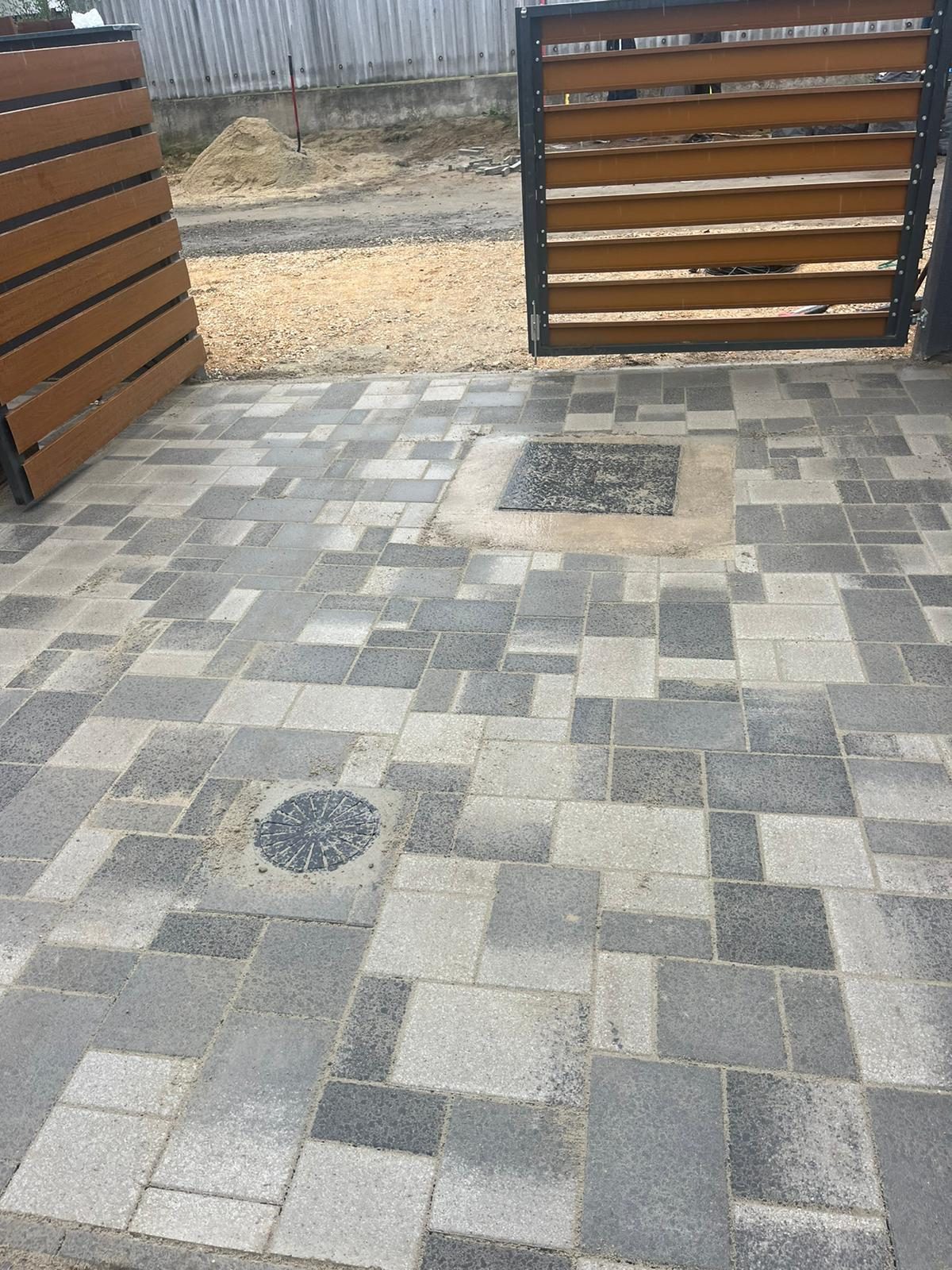
Paver types – which one is right for what?
Shape, thickness, finish, colour – concrete pavers vary in many dimensions. We guide you through the most common types.
Read more →
Paver thickness guide – 4, 6 or 8 cm?
Which paver thickness does your surface need? Pedestrian, car or industrial loads – a simple guide to choosing between 4, 6 and 8 cm.
Read more →
Paver repair – restoring a sunken surface
Why do pavers sink and how are they repaired? The great advantage of block paving is that it can be lifted – a sunken patch can be fixed locally.
Read more →
Paver repair guide – what can you do yourself, and when do you need a professional?
Topping up joints, removing weeds, resetting a loose block – what you can fix yourself and when to call a professional. A practical guide.
Read more →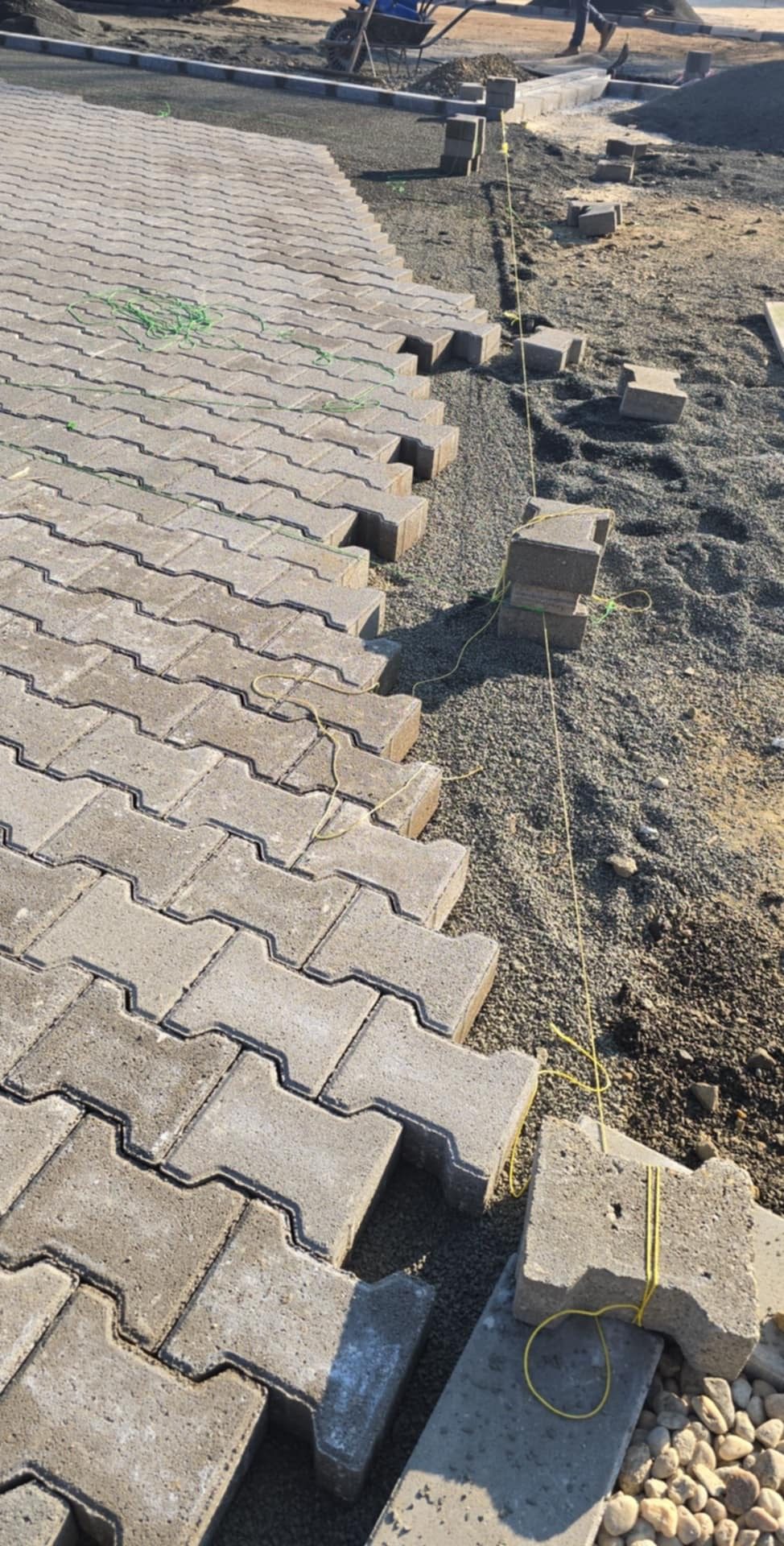
The most common paver laying mistakes and how to avoid them
A skimped sub-base, missing falls, no edge restraint, badly made joints: the most common paver laying mistakes and how to avoid every one of them.
Read more →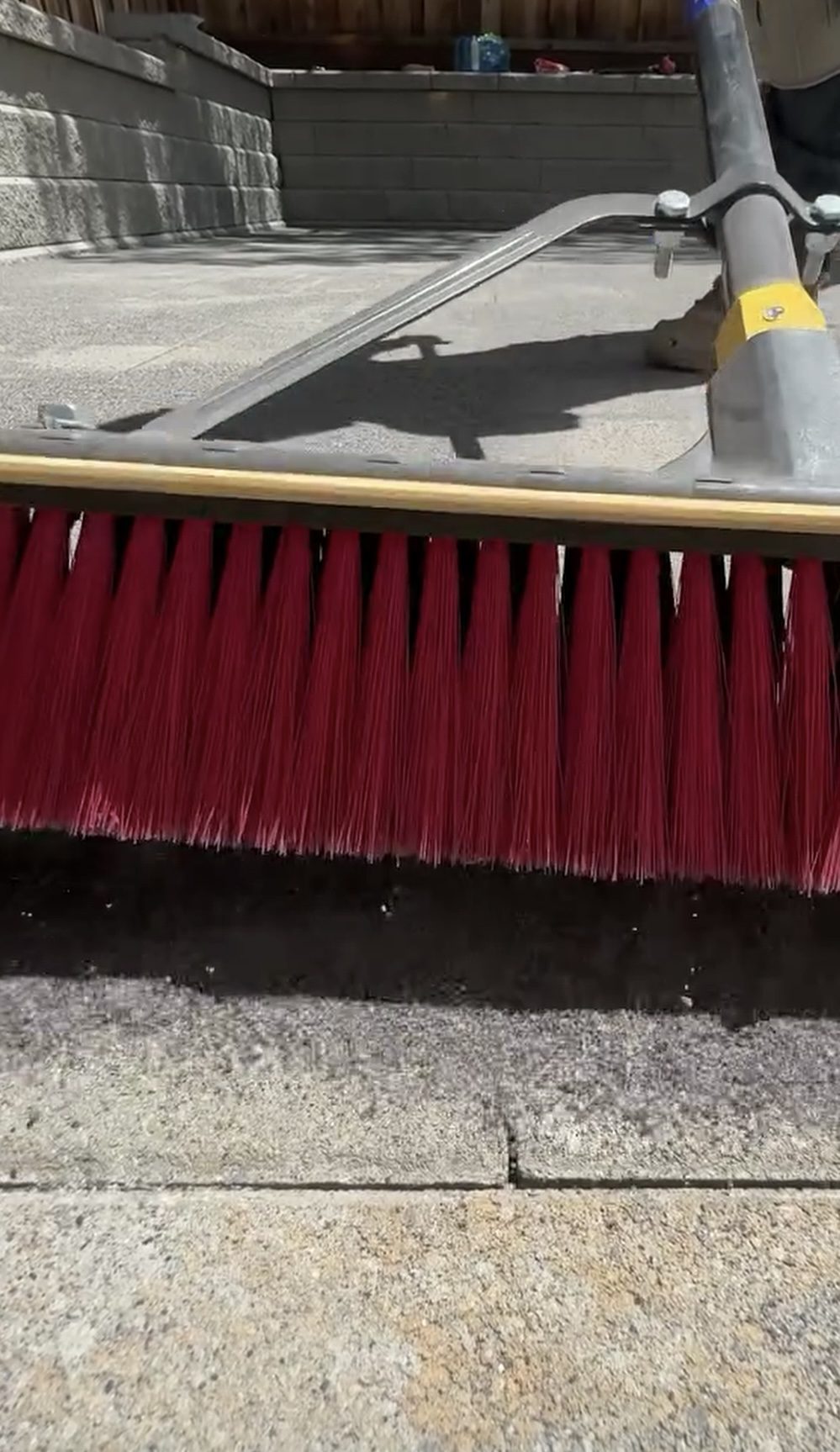
Paver Jointing: The Secret of Long-Lasting Block Paving
The right joint width, the right material and careful jointing decide how long paving lasts. Permeable or sealed joints — which to choose and why.
Read more →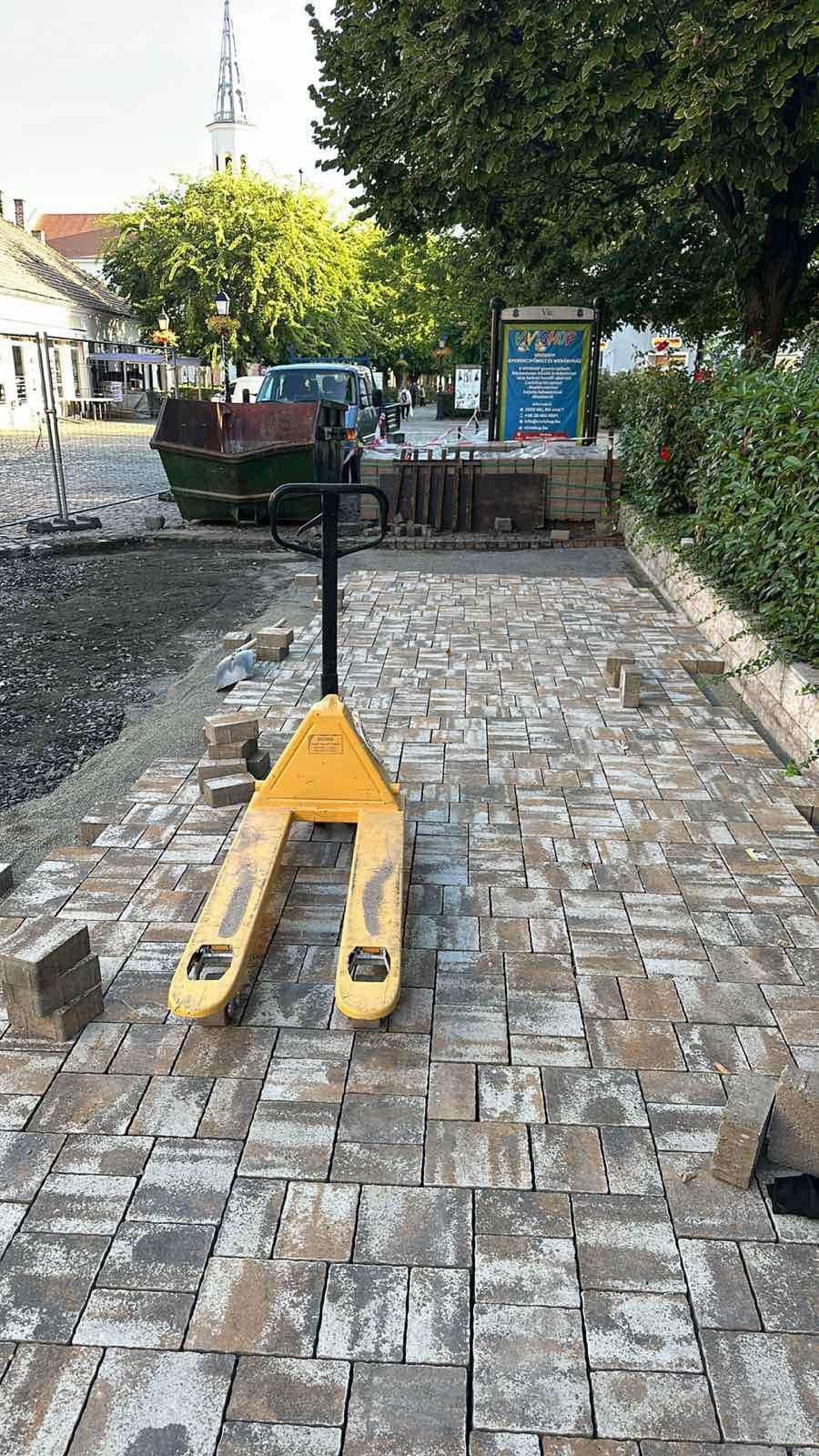
Paver deals and clearance sales – how to buy smart
A paver clearance sale is a good chance to save money – if you know what to look for. Here is what it means and what to check.
Read more →
What base do pavers need?
The most important and most underrated question in paving: what is under the blocks? We walk through the full build-up, layer by layer.
Read more →
A paved yard – nicer than concrete, but it comes at a price
A block-paved yard looks far better than plain grey concrete, but it takes away valuable green space. We weigh up the pros and cons.
Read more →
Municipal and institutional projects – footpaths and public spaces
Municipal footpath construction, public-space paving and accessible surfaces across the province of Málaga, built to standard with documented quality.
Read more →
Bridging level differences in the garden with road kerbs
Gardens are rarely dead level. A sturdy concrete road kerb is an elegant, solid answer to small and medium changes in level.
Read more →
Industrial yard paving: what structure does it need?
Turnkey industrial yard paving. The right pavement structure depends on the load and use of each zone, with a proper technical survey.
Read more →
Industrial block paving: surfaces built for heavy loads
Industrial block paving must carry forklifts, lorries and constant traffic. Structure, drainage, durability and its advantages over concrete.
Read more →
Industrial pavement design: what determines the structure?
How an industrial block pavement is designed: load, ground conditions and traffic define the layer build-up. A full technical overview.
Read more →
What are grid pavers? – a two-in-one pavement
Grid pavers are grass grid paving: a load-bearing yet green surface. We look at where they are used and which variants exist.
Read more →
Grey pavers for the garden: the champion of practicality
Grey block paving is not the flashiest choice, but if load capacity and easy upkeep matter most, it has almost no rival.
Read more →
What Are the Benefits of Concrete Grass Pavers?
Concrete grass pavers raise a surface's load capacity while the green stays. We've rounded up their main benefits.
Read more →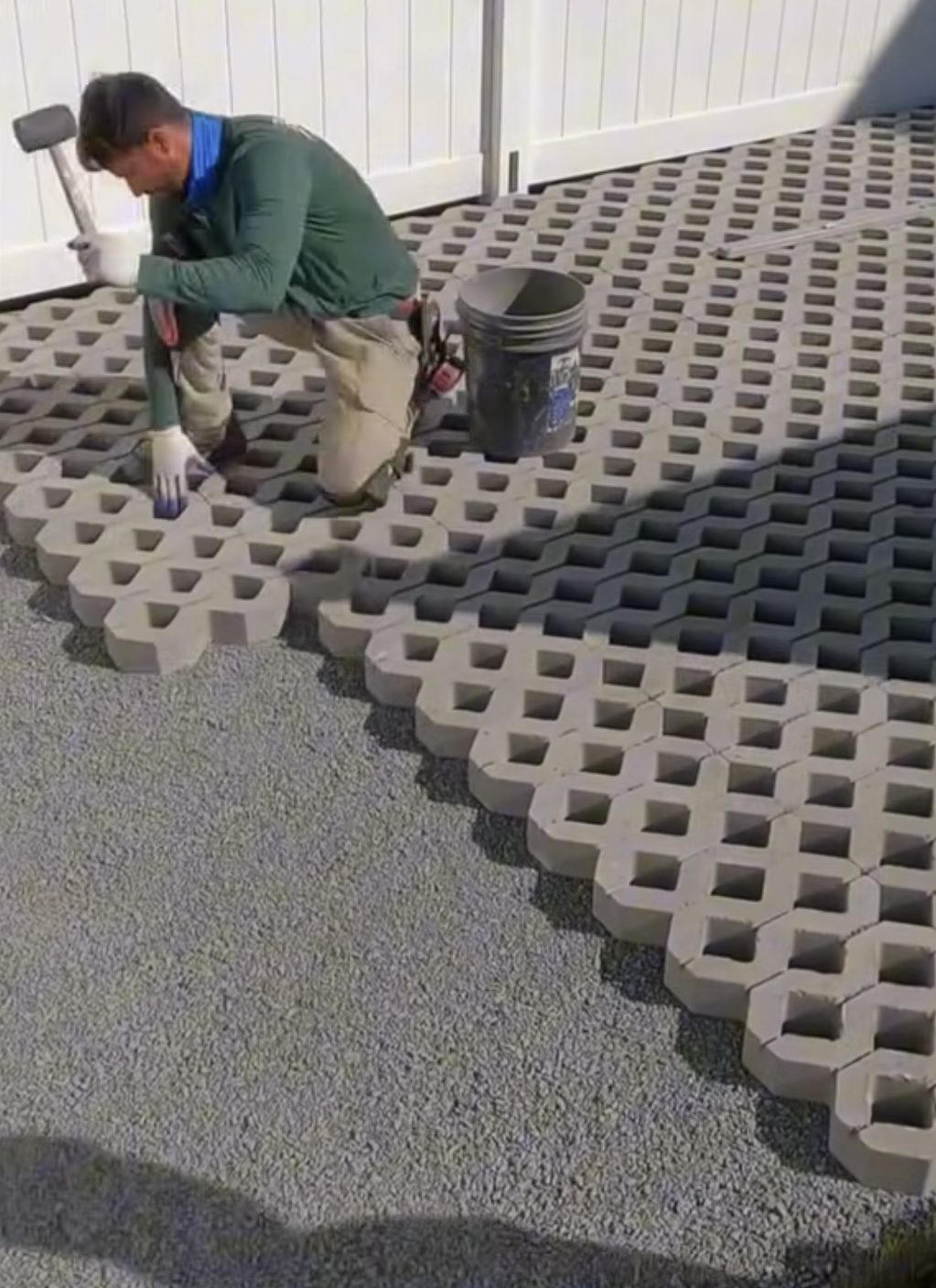
Plastic or Concrete Grass Grid Pavers? We Help You Decide
Permeable, green, yet able to carry traffic — grass grid pavers are a great compromise. But which material should you choose?
Read more →
Building a garden retaining wall with concrete blocks
How to build a garden retaining wall with planter blocks: height, base and drainage decide its stability. A step-by-step practical guide.
Read more →
Building a masonry garden barbecue – from design to firebox
A masonry barbecue in the garden: types, choosing the spot, foundations, firebrick materials and safety, explained step by step.
Read more →
The Frost Protection Layer: Do You Need One in Málaga Province?
In Málaga the real enemy of block paving is water, not ice. What a free-draining sub-base does, and where frost protection still matters inland.
Read more →
Driveway block paving: price, thickness and construction
Which paving blocks does a driveway need, how thick should they be and what does it cost? Everything worth knowing before paving your driveway.
Read more →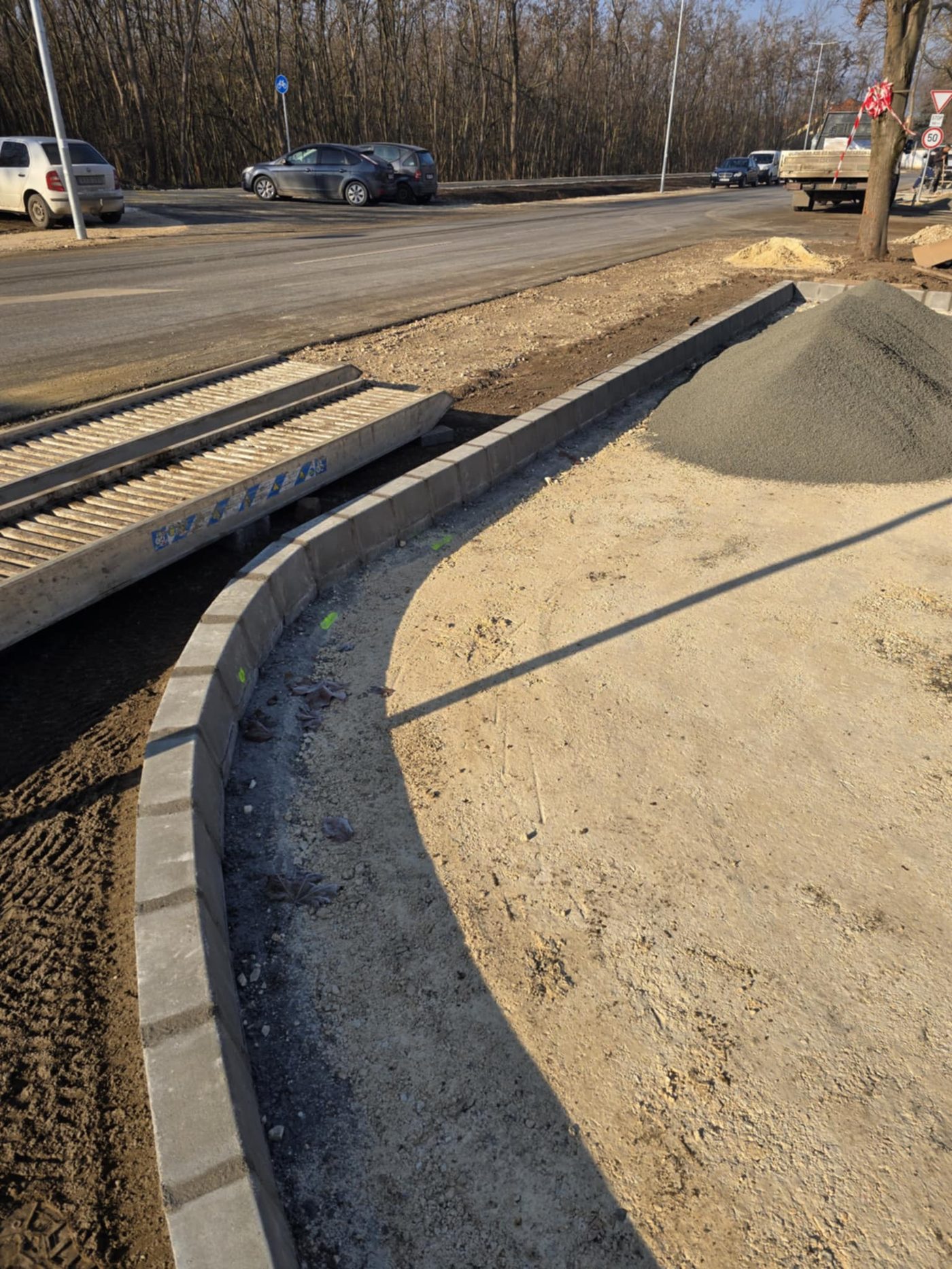
Drainage Solutions for Block Paving
How to get water off a block pavement: falls, drainage channels, permeable joints and soakaways — standing water is paving's worst enemy.
Read more →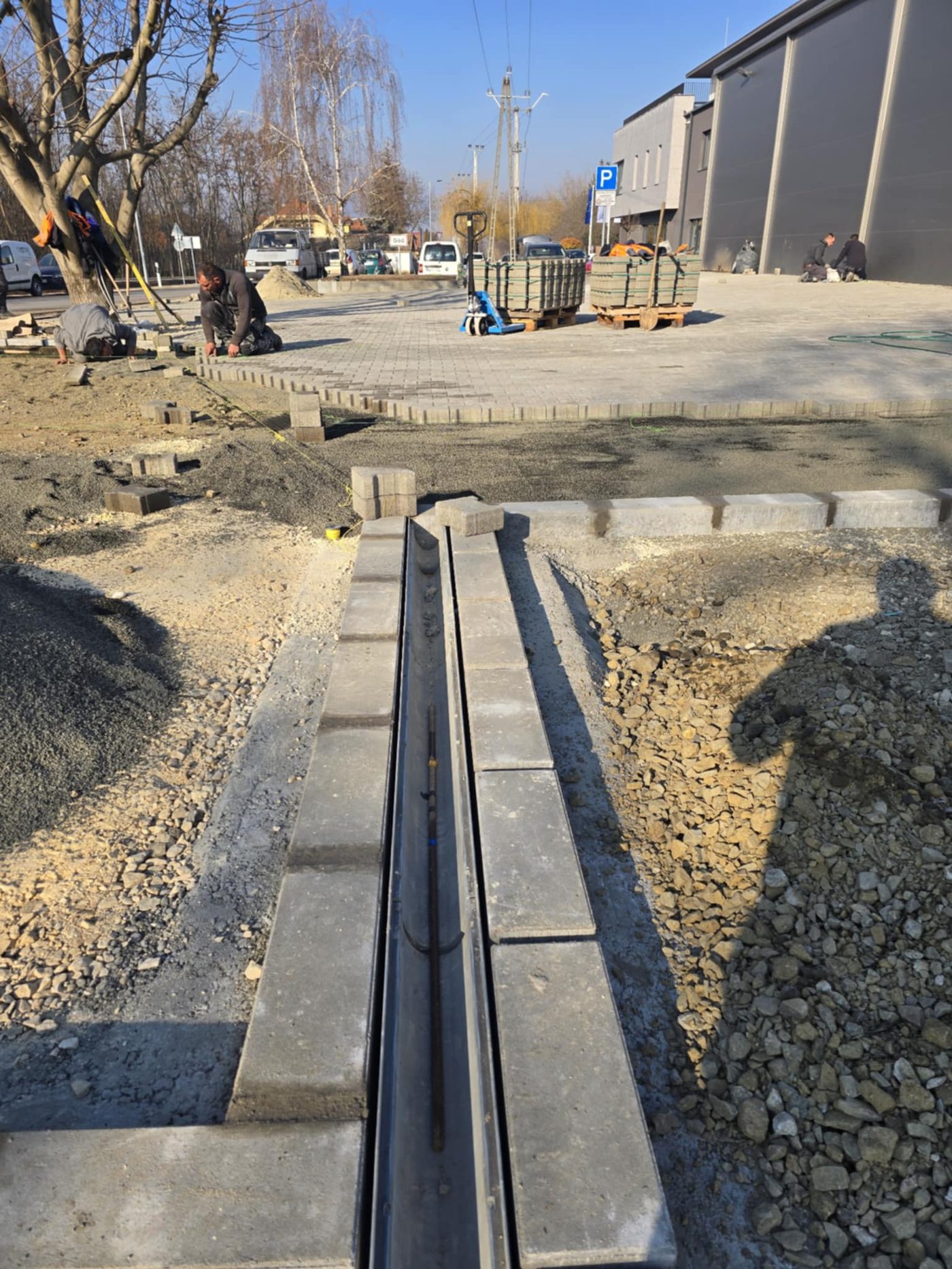
Managing Rainwater With Drainage Channels
A drainage channel collects rainwater from block paving and carries it away under control. When you need one and how it is installed, step by step.
Read more →
Laying Block Paving Yourself – Should You Take It On?
DIY block paving? We cover when it's realistic, the typical amateur mistakes, and the tools you'll need for a lasting result.
Read more →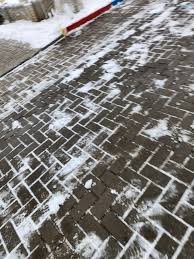
Why de-icing salt is a bad idea on block paving
Inland Málaga does see the occasional frosty night, and salt looks like an easy fix. Here is why it damages pavers and what to use instead.
Read more →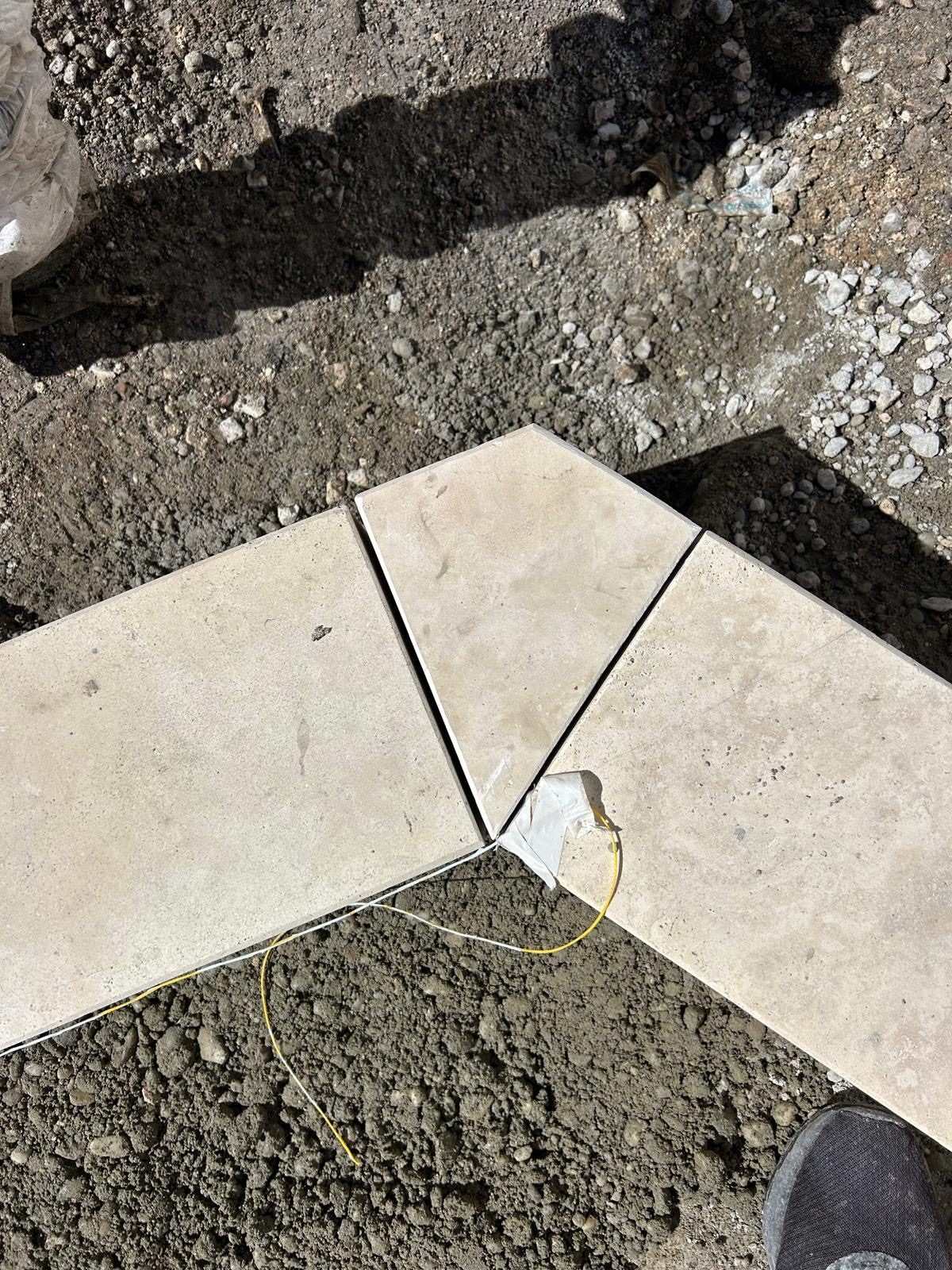
Cutting Pavers – Precise Fitting at Edges and Corners
Paving edges and corners without gaps means cutting pavers. Here are the right tools and the technique for clean, accurate cuts.
Read more →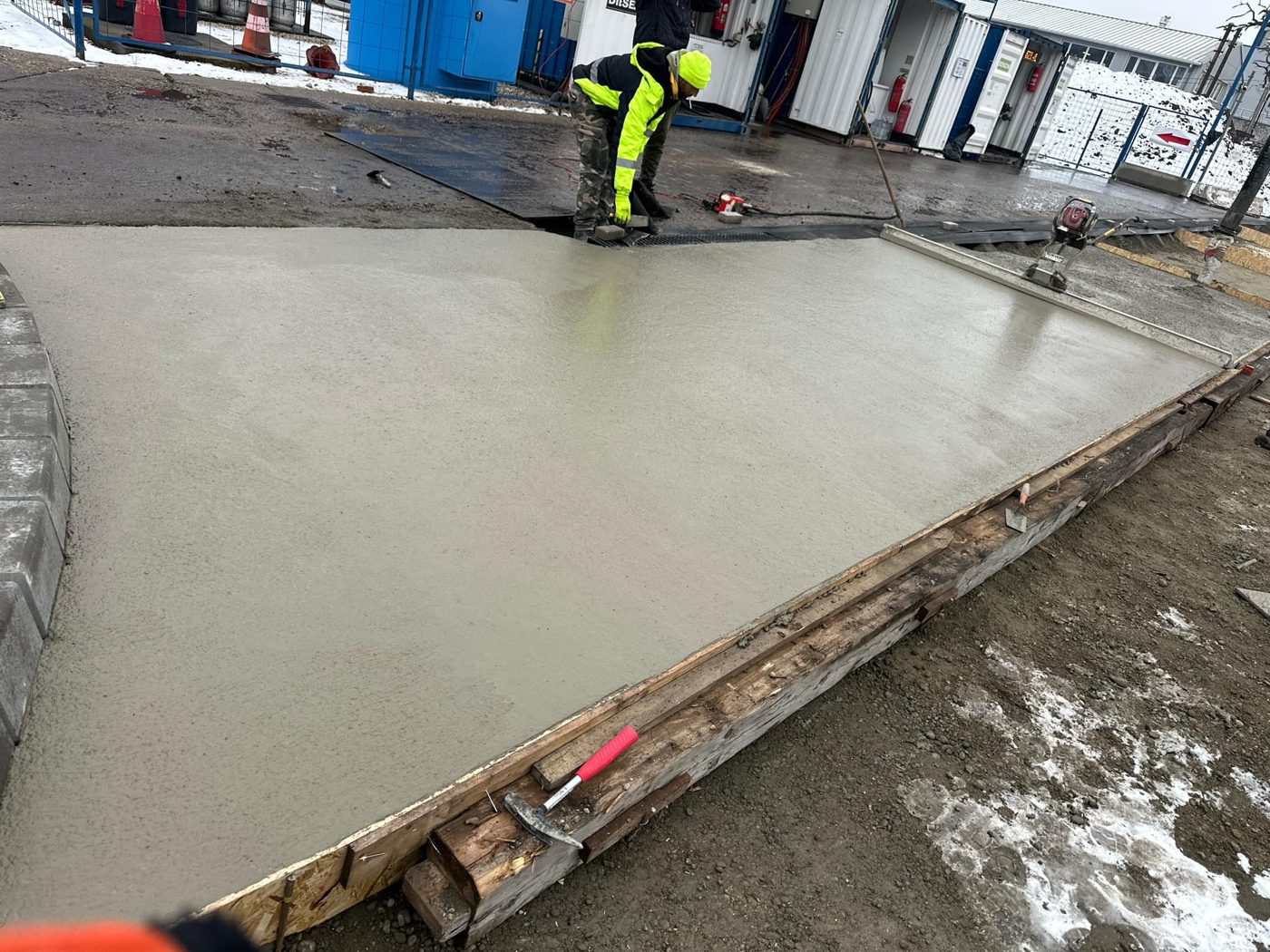
Concrete path moulds – home-made pavers?
With a reusable mould you can cast concrete pavers and stepping stones at home. Here is how it works, what it is really good for and whether it pays off.
Read more →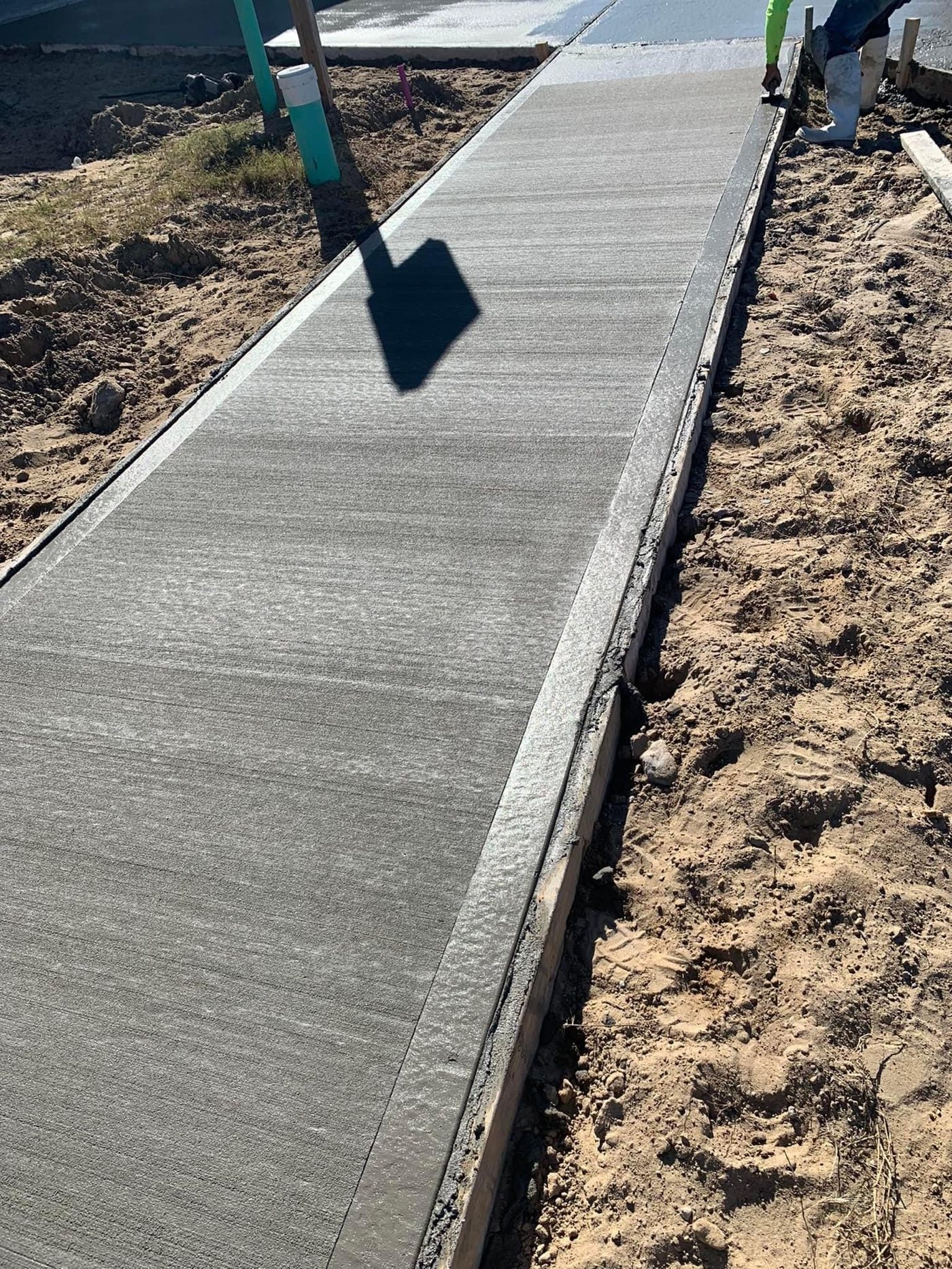
Planning a concrete footpath? Watch these points during the build
A cast-in-place concrete footpath is quick and economical, but forgives few mistakes. Base, mesh and expansion joints — the keys to a lasting job.
Read more →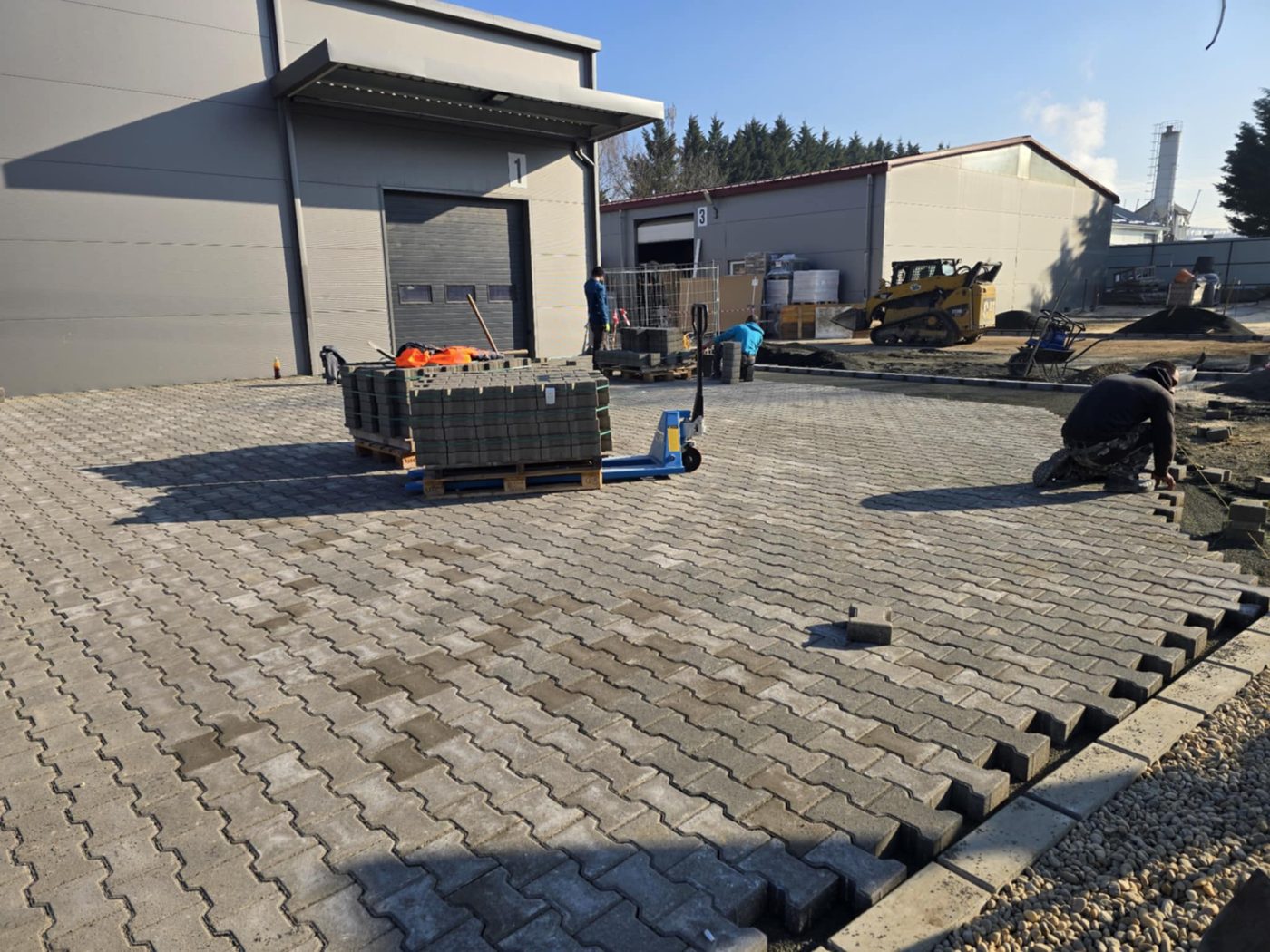
Concrete Block Paving – What It Is and How to Choose Well
What concrete block paving is, how it compares with natural stone and other surfaces, and what to check when choosing: thickness, shape, quality.
Read more →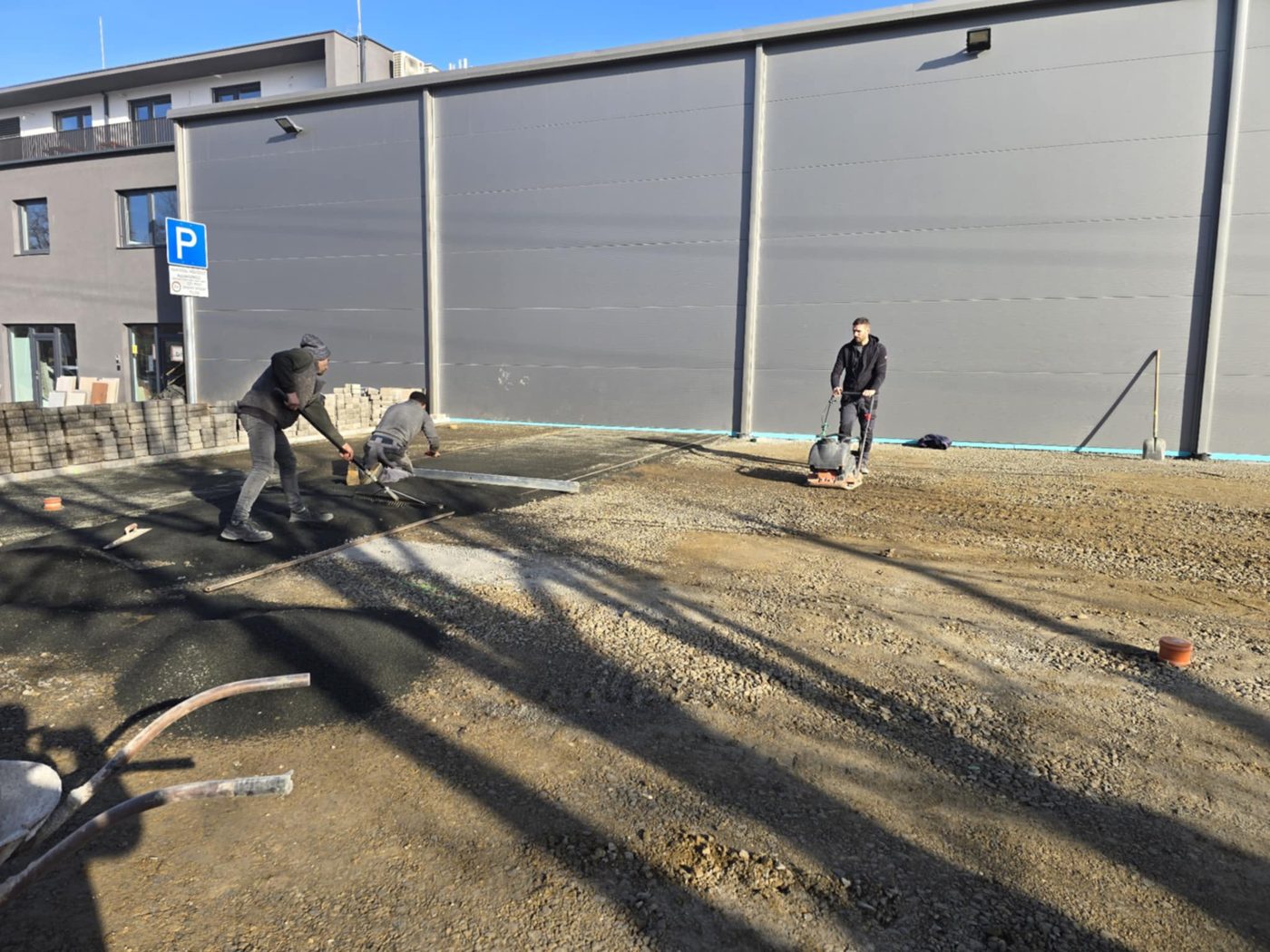
Common Paving Mistakes — and How to Avoid Them
Weak sub-base, wrong falls, missing edge restraint, joints laid too tight: the typical block paving mistakes and how to catch them in time.
Read more →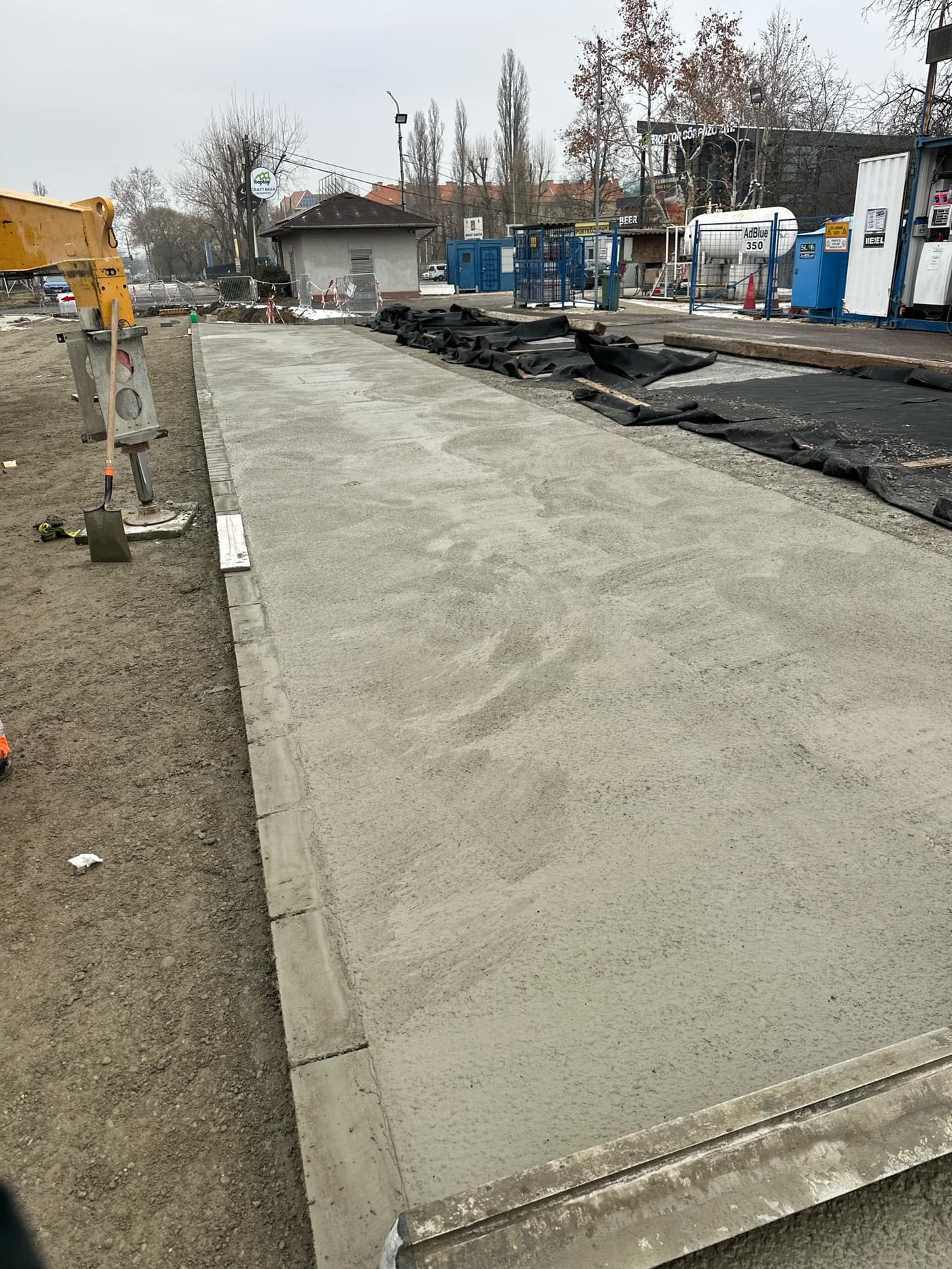
Cement-treated base under pavers – when do you need it?
A cement-treated base (lean concrete) is stiffer than crushed stone and cheaper than structural concrete. Here is when it is worth using under block paving.
Read more →
Car park construction for businesses – deadlines and load capacity
Block-paved car park construction for businesses in Málaga: load-bearing pavement build-up, drainage, reliable deadlines and phased execution.
Read more →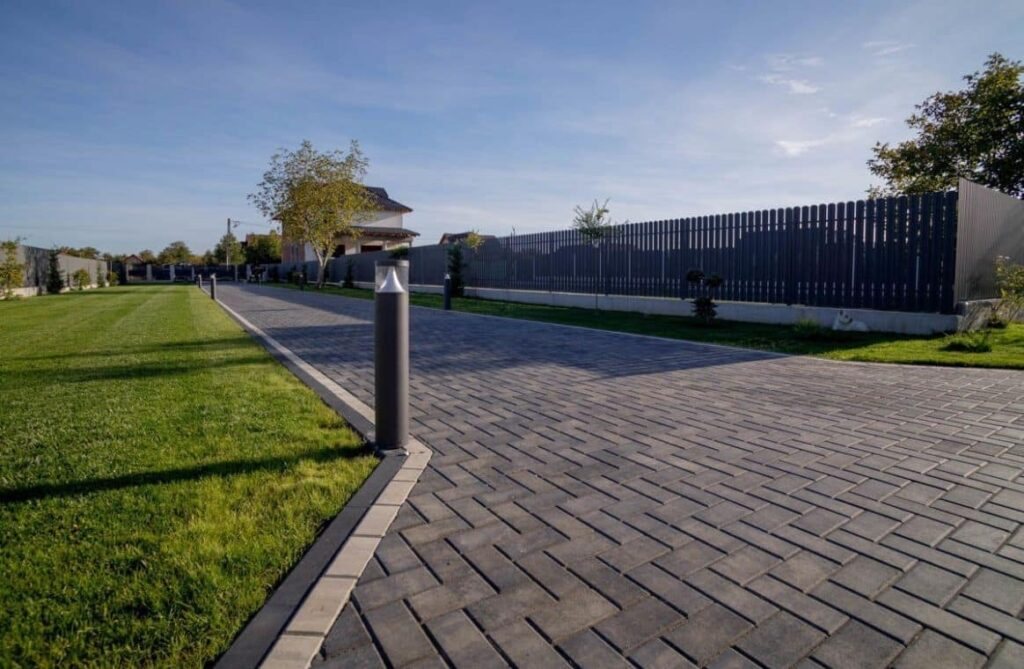
Black Paving Blocks in the Garden: Elegant, With a Few Caveats
Black and anthracite pavers give a clean, modern look. When they are a great choice, and what to consider before committing to a dark surface.
Read more →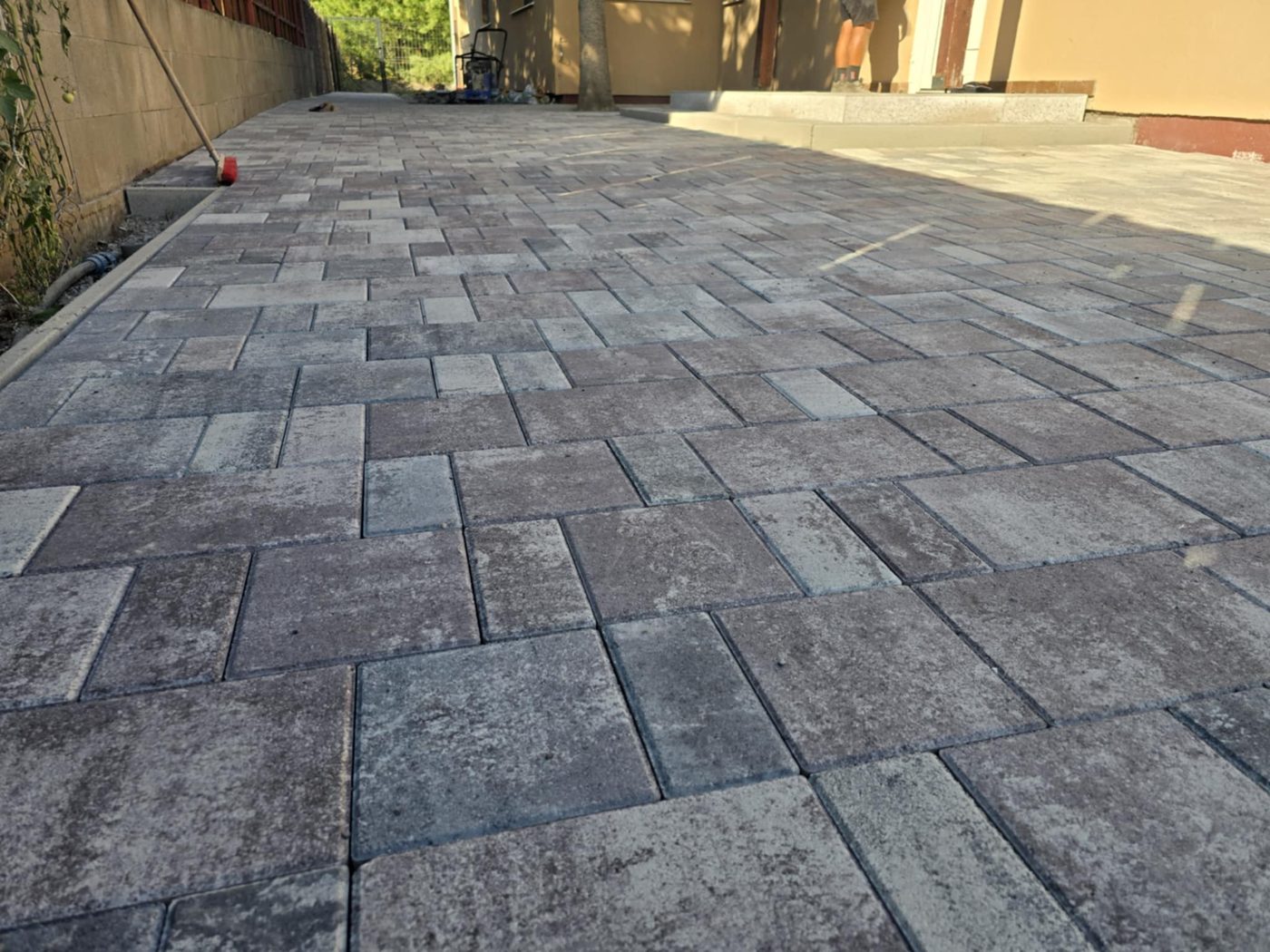
Beige pavers for the garden – light, warm, timeless
Beige pavers, with their light, warm tone, are a versatile choice: patios, paths, pool surrounds. They also stay cooler in summer than dark paving.
Read more →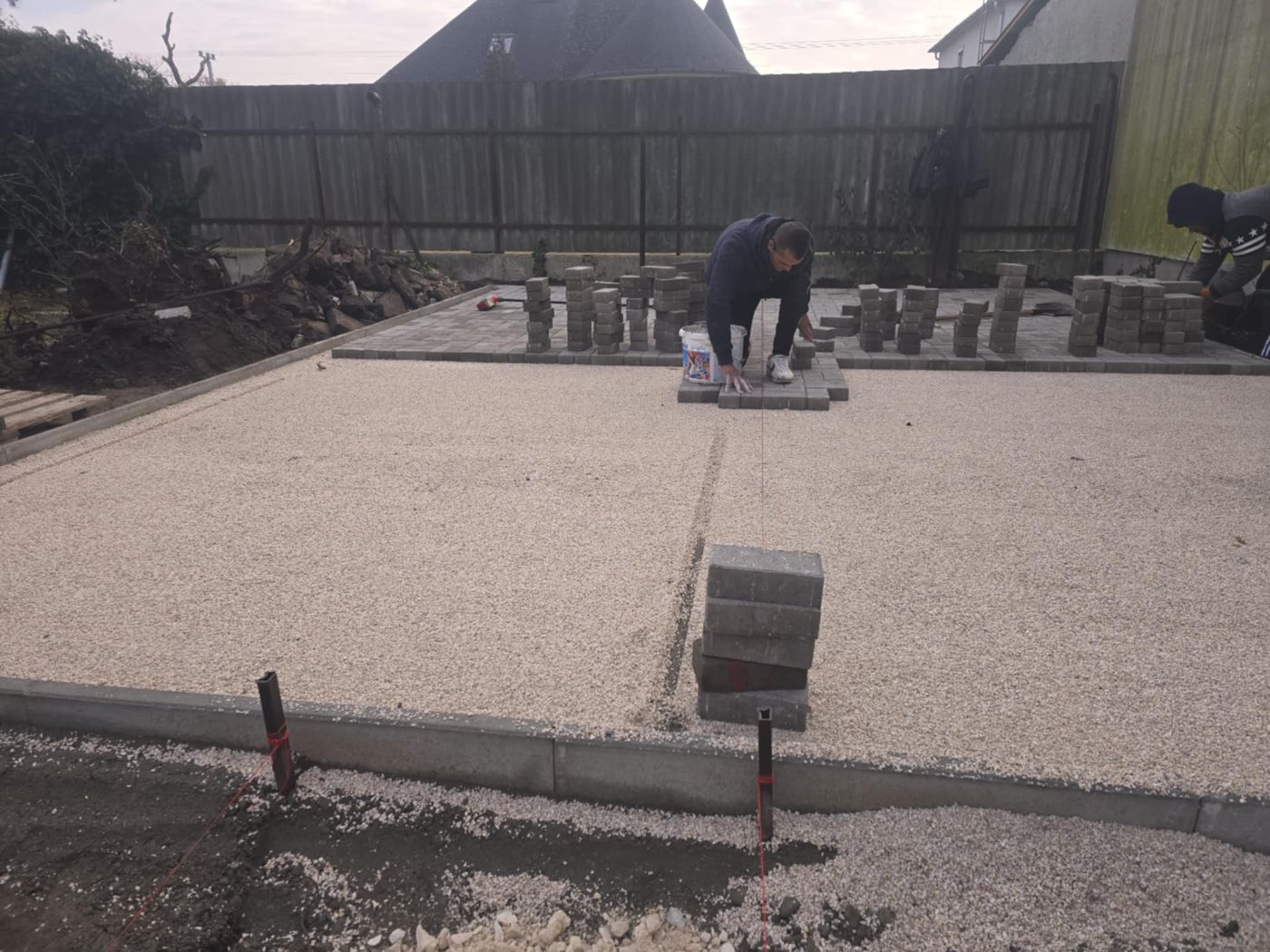
Paving base preparation: step by step, done properly
Base preparation is the stage where patience pays off. We walk through the process from choosing the paver to the finished bedding layer.
Read more →
Anti-slip footpaths: keeping paved walkways safe all year
Rain, algae and the odd inland frost: why a paved footpath gets slippery in Málaga and how to keep it safe throughout the year.
Read more →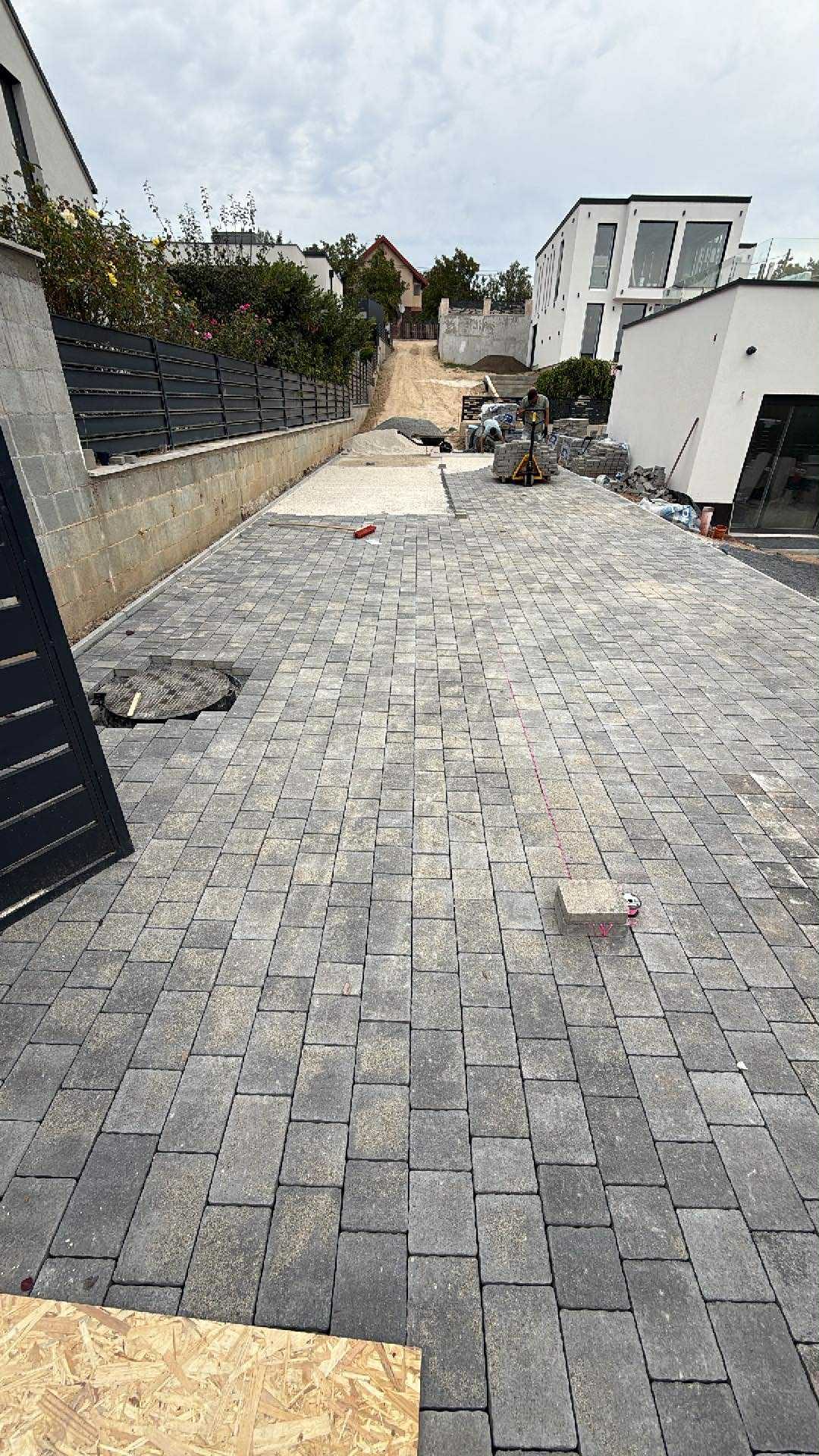
Aged tumbled pavers – old-world charm for your garden
Aged tumbled pavers, with their chipped edges and worn surface, recall old cobbled streets. Here is how they are made and where they work best.
Read more →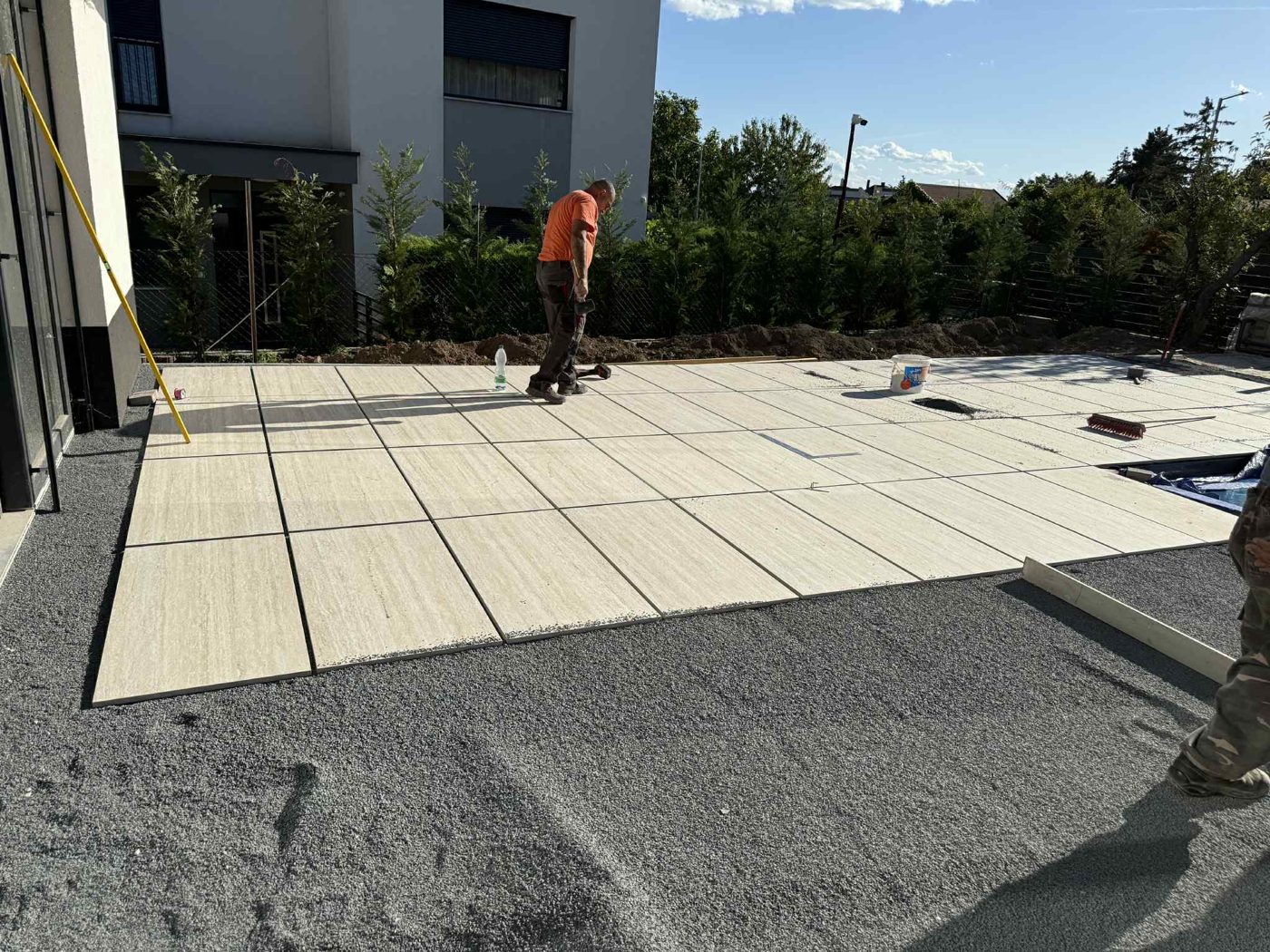
60×40 slabs for the garden: large-format, modern surfaces
60×40 cm paving slabs create clean, modern surfaces with few joints. We look at where they work best and what to know about their load capacity.
Read more →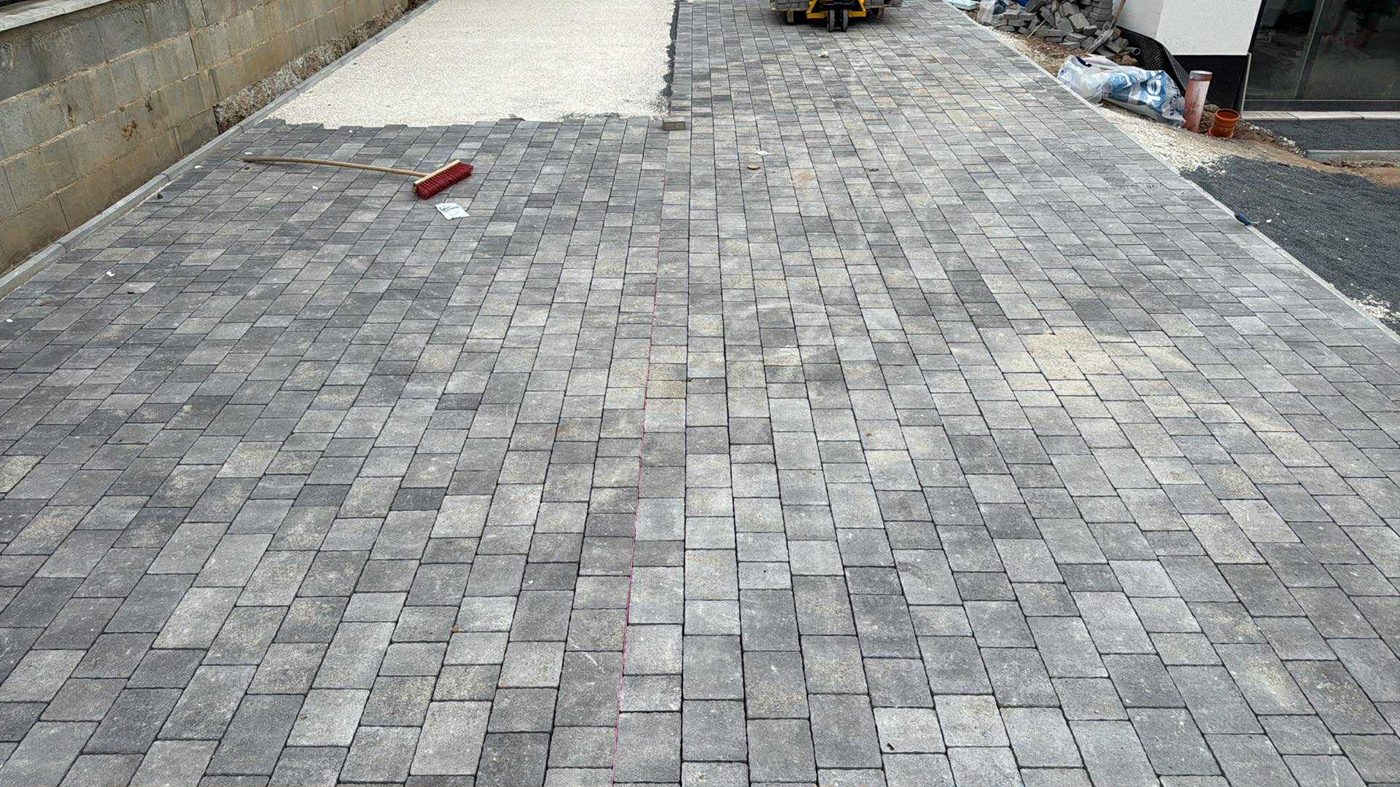
5 cm thick pavers – what are they good for?
The 5 cm paver is the happy medium between 4 cm and 6 cm blocks. We look at which surfaces it suits best and when it is the right choice.
Read more →
40×40 paving slabs for the garden
The 40×40 cm concrete slab is ideal for garden paths, footpaths and pedestrian patios. Uses, load capacity and laying tips at a glance.
Read more →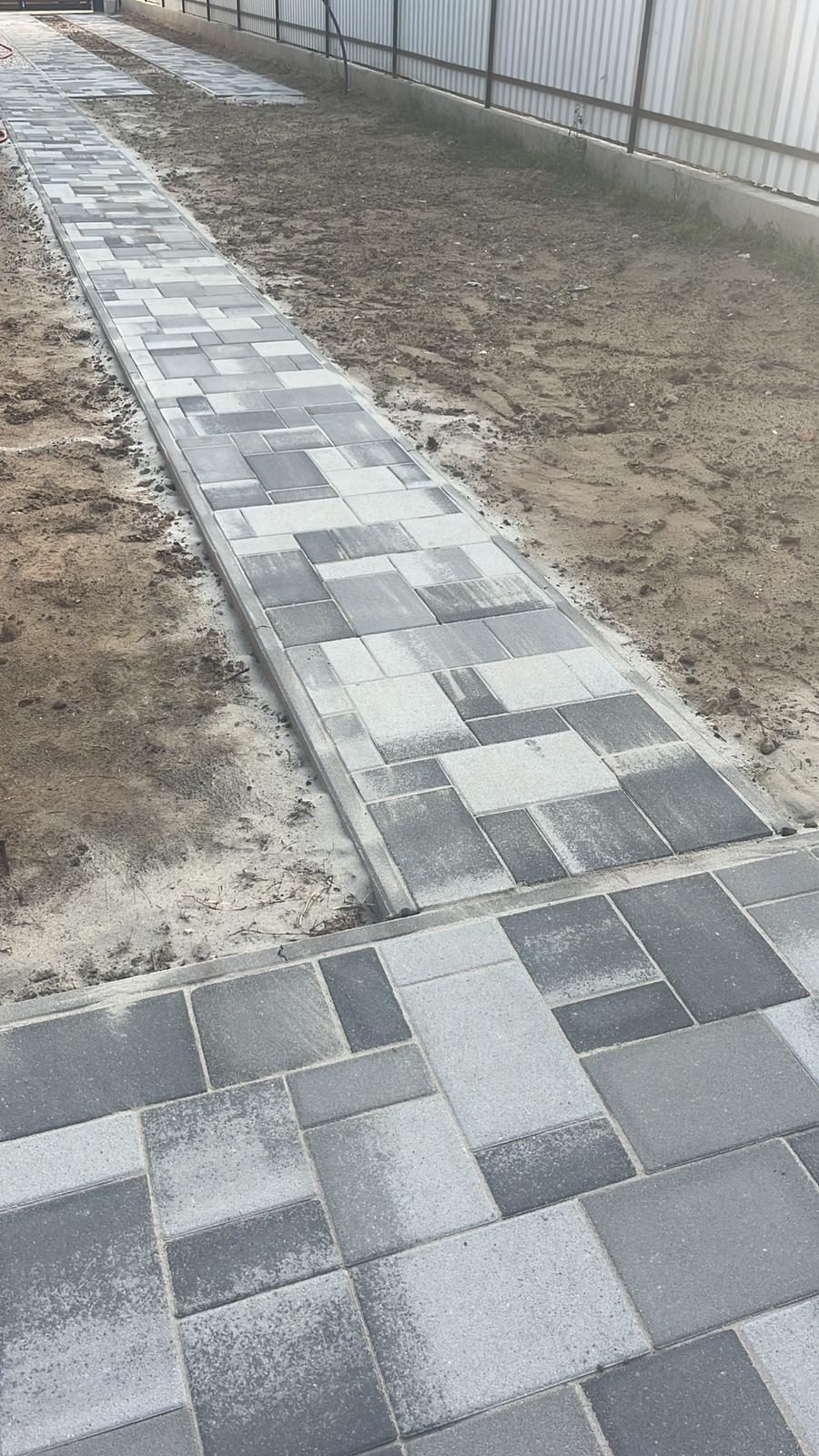
20×20 pavers for the garden: a versatile square format
The 20×20 concrete paver in 6 cm thickness even suits driveways. We look at where it works best and which laying patterns it allows.
Read more →