The 20×10×6 centimetre rectangular block is one of the most popular paver formats for surfaces carrying car traffic. It fits many different laying patterns and is easy to handle. Precisely because of its popularity, many people want to know how much one of these blocks weighs – and the answer is of more than theoretical interest.
The calculation
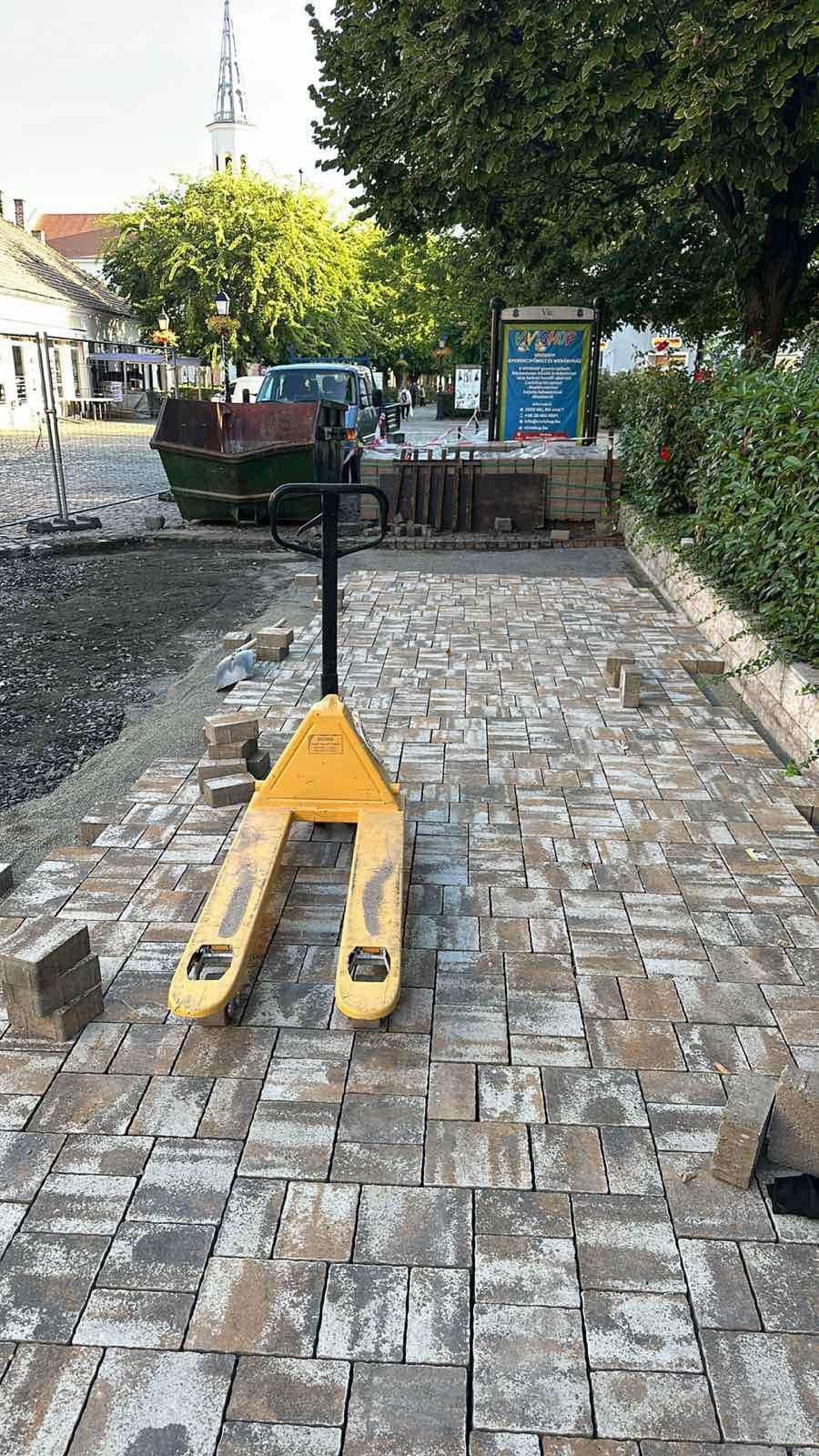
The weight follows from the volume of the concrete and its density. A 20×10×6 cm block has a volume of 0.2 × 0.1 × 0.06 = 0.0012 cubic metres. Concrete has a density of roughly 2,300–2,400 kg per cubic metre. That puts the mass of one block at about 2.8–2.9 kg – rounded, roughly 3 kilograms apiece.
How much does a square metre weigh?
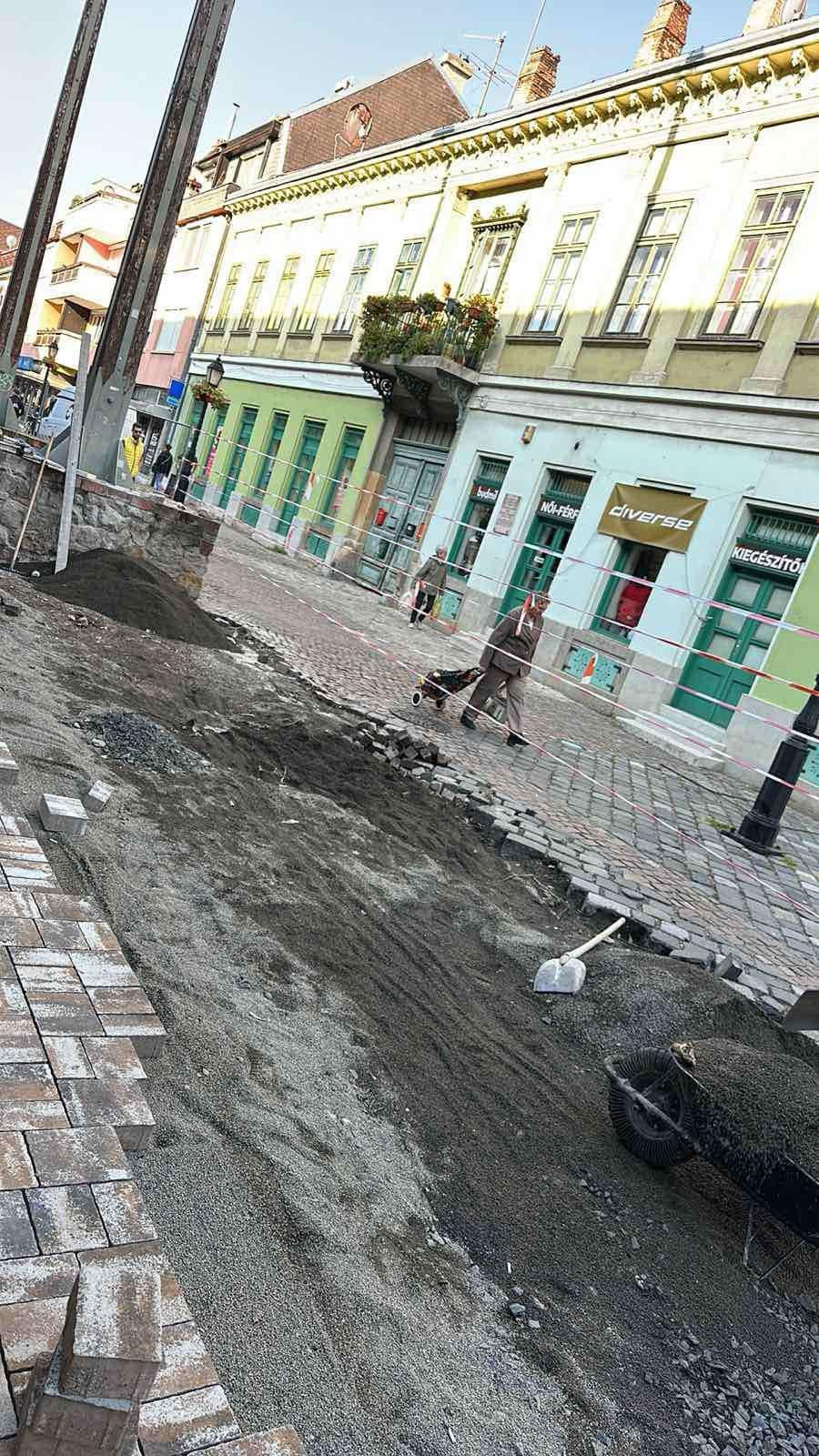
A 20×10 cm block covers 0.02 square metres, so a square metre takes 50 blocks. That works out at roughly 140–145 kg/m² of paving weight. A pallet typically carries several square metres of blocks, so a single pallet easily exceeds a tonne.
Why is this useful to know?
- Delivery: the weight of the pallets determines what vehicle can carry the material and how it reaches the site.
- Handling: knowing that one block is ~3 kg helps you plan the manual work realistically.
- Structural loads: when paving over a roof, a terrace or a cellar, the self-weight of the paving counts too.
- Quantity checks: the delivered quantity can be verified back from the weight.
In short: the 20×10×6 paver weighs roughly 3 kg per block and around 140 kg per square metre. These figures come in handy for delivery, handling and planning alike.
Planning a paving project in the province of Málaga? Call us on +34 613 656 443, write to oficina@adoquin.eu, or get an indicative cost for your project with our calculator. The site survey and measurement are free of charge.
Planning a paving project?
Request a free site survey: we measure, advise, and within 1–2 working days you receive a detailed written quote.